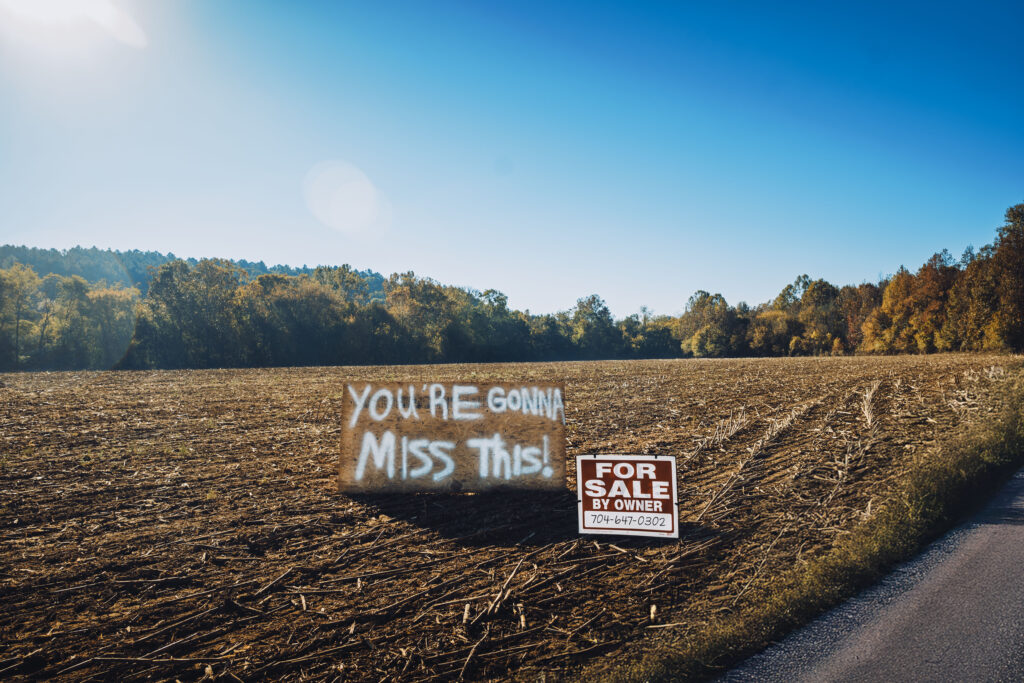
North Carolina is one of the fastest-growing states in America. With this rapid growth comes increased demand for development, threatening the scenic lands, family farms, and waterways that make our state special. Once these natural resources are lost, they’re gone forever.
Three Rivers Land Trust is committed to permanently conserving these critical landscapes. Since 1995, we have protected over 50,000 acres of scenic lands, family farms, vital wildlife habitats, and hundreds of miles of rivers and streams in North Carolina’s central Piedmont and Sandhills region. By conserving these lands, we ensure clean water, thriving wildlife, vibrant farmland, and recreational opportunities for generations to come.
Your support is essential—every contribution directly fuels our local conservation efforts, leveraging additional resources to protect North Carolina’s natural legacy.
From 1995 until August of 2018, this organization was known as The Land Trust for Central North Carolina. In 2018, a rebranding process was completed and the name selected was Three Rivers Land Trust. The name was largely selected because at least one of the three rivers (Yadkin-Pee Dee, Uwharrie, and Rocky Rivers) touched each county that Three Rivers Land Trust operated in.
In 2019, Three Rivers Land Trust merged with the Sandhills Area Land Trust (SALT), adding 5 additional counties and numerous rivers. Instead of changing the name again, we decided to remove the Yadkin-Pee Dee, Uwharrie, and Rocky River from the organization’s logo.
President – Cabarrus
Former U.S. Military

Vice President – Stanly County
Farmer
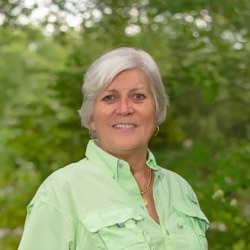
Secretary – Scotland County
Entrepreneur

Retired, U.S. Army
Professor in Wildlife Ecology at Campbell University
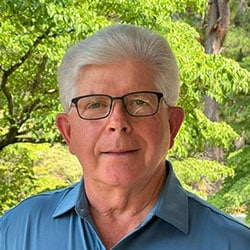
Retired, U.S. Army
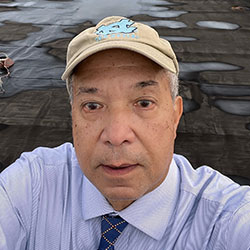
Attorney
Rowan County
Retired Food Lion Executive

City Manager, Rockingham
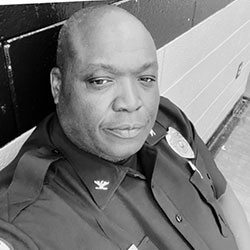
Livingstone College Vice President of Public Safety, Chief of Police
Rowan County
Farmer
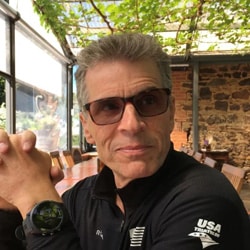
Iredell County
Retired Lowes Executive

Owner, Hunter Construction Group

Business Owner
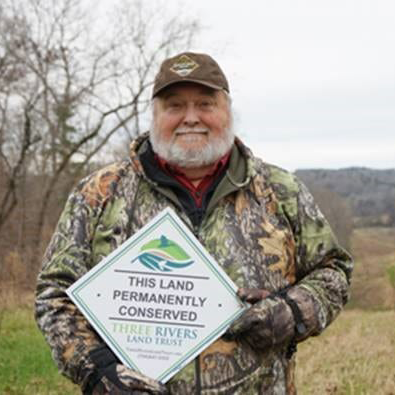
Retired Business Owner
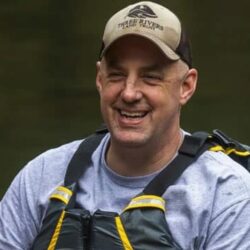



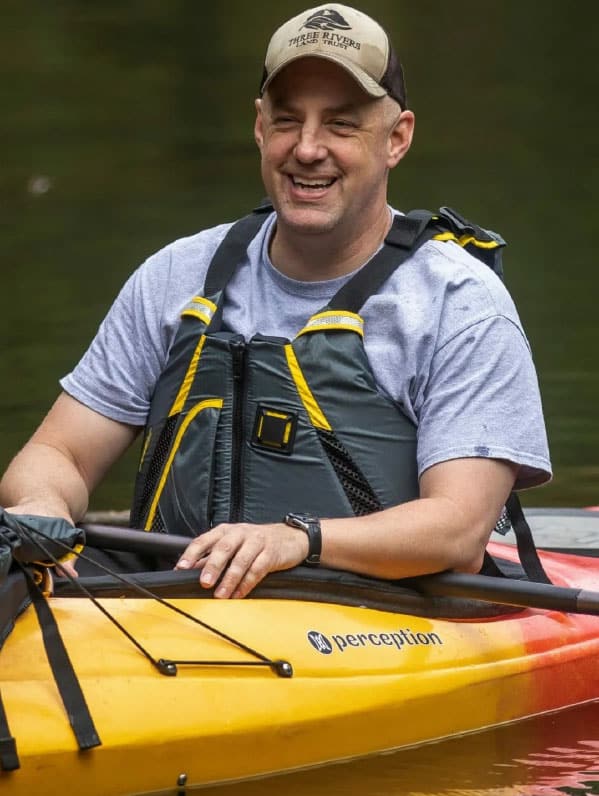
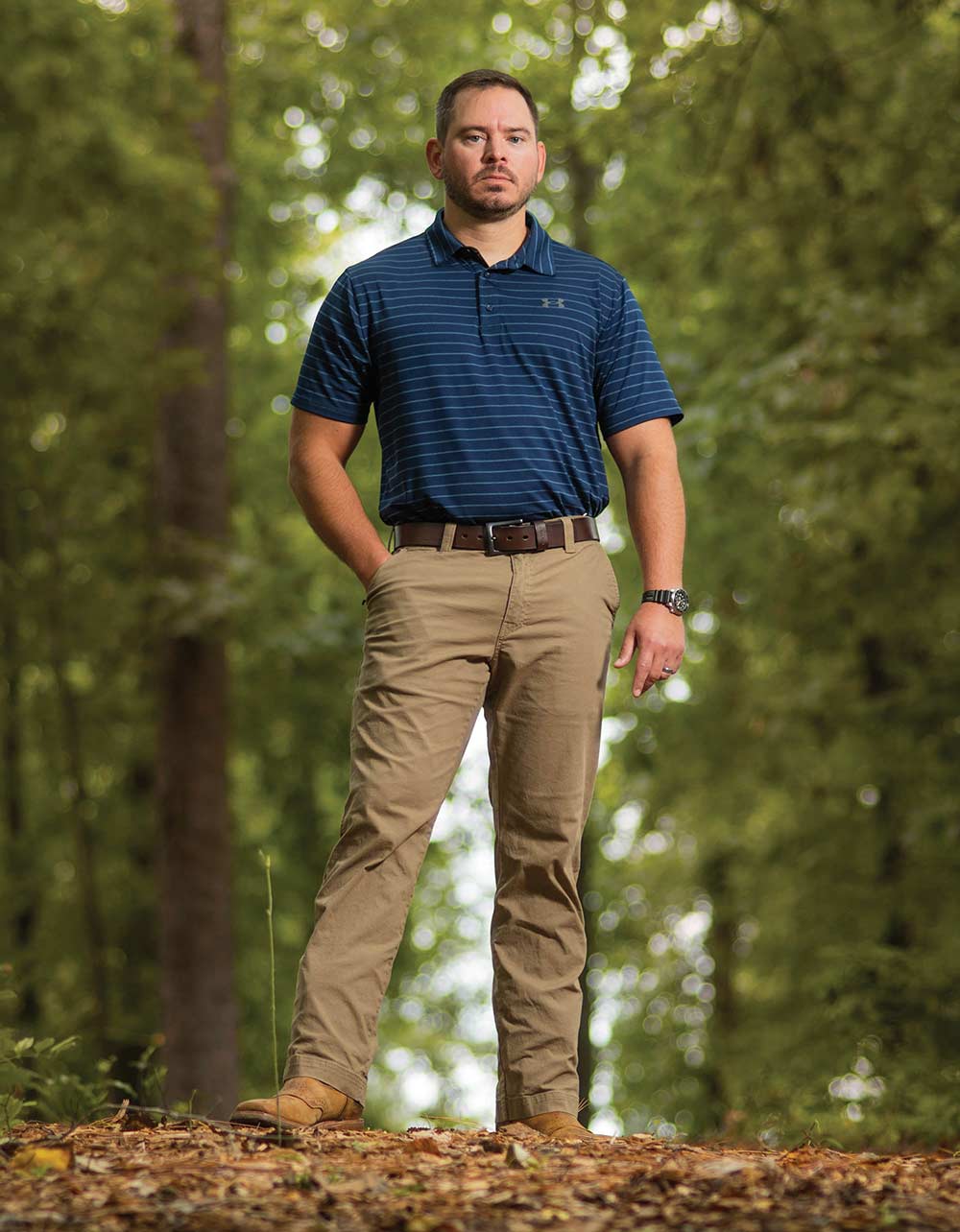
Travis was selected as the Executive Director position in February of 2016. Previously, he worked with the Catawba Lands Conservancy as the operations director of the Carolina Thread Trail project. Prior to that, he served in the military, including a combat deployment in Iraq, and worked as a senior and principal city planner for the town of Cary.
Travis grew up in Stanly County and attended high school in Albemarle. He has a degree in political science with a concentration in town, city, and county management from Appalachian State University. Travis is dedicated to the Uwharrie region and the heartland area of North Carolina. In his free time, he enjoys hunting, fishing, and spending time with his family.
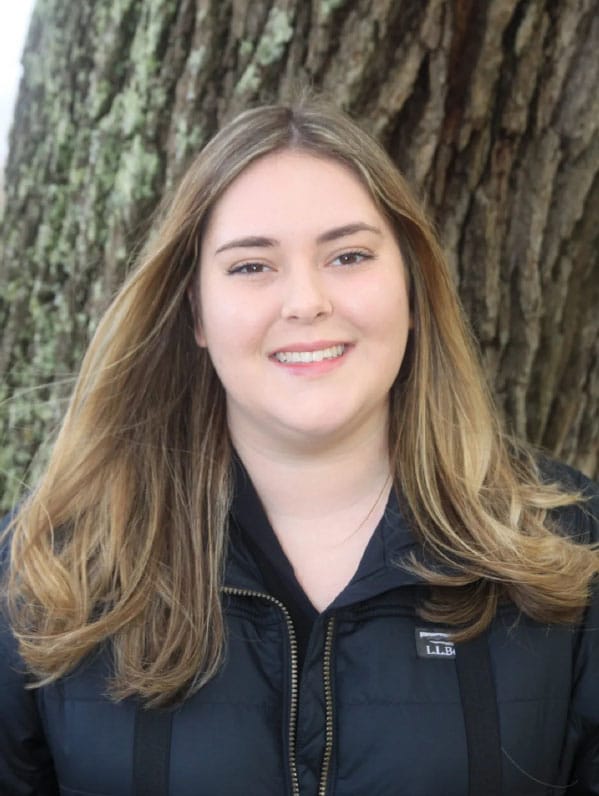
Emily began working for Three Rivers Land Trust in February 2021. She attended North Carolina State University where she graduated with a Bachelor of Science in Fisheries, Wildlife, and Conservation Biology in the spring of 2020. Emily graduated from Clemson University with a Masters degree in Wildlife and Fisheries Resource Management in December of 2023. She is also a Certified Associate Wildlife Biologist.
Before coming to the Land Trust, she worked on wildlife management projects for private companies and managed the hunting program on a wildlife refuge. As a Montgomery County native, Emily is passionate about conserving the natural lands she has been able to enjoy in the region. In her spare time, Emily is an avid birder and also enjoys hiking, paddling, and baking.
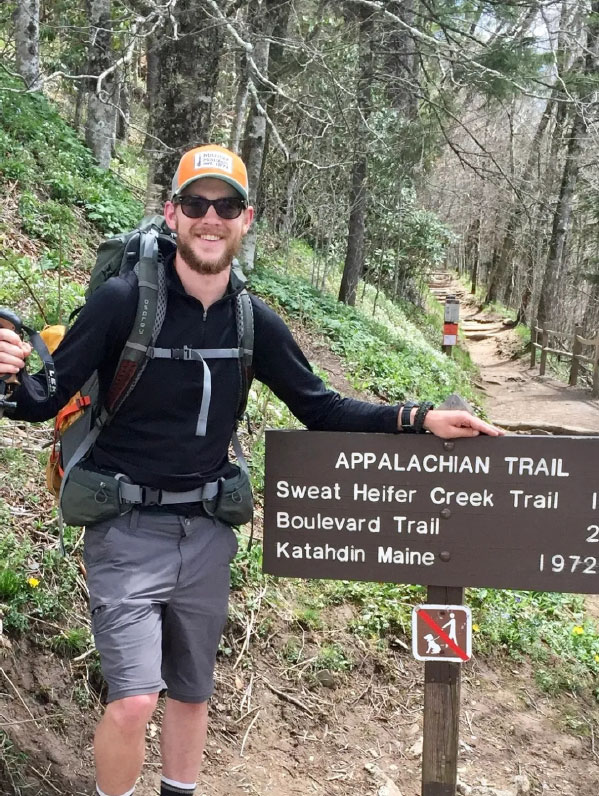
Kyle joined TRLT in June of 2023 as a Land Protection Specialist. He graduated from UNC Charlotte with a Bachelor of Science in Earth Sciences, and a minor in Geology. Kyle has worked in a variety of industries, including an environmental specialist, insurance underwriter, and most recently a craft brewer. With a passion for the natural world since childhood, Kyle enjoys all things outdoors, including backpacking, hiking, hunting, and live music.
Kyle’s conservation story began when he successfully completed a thru hike of the Appalachian Trail in 2016. This 5-month journey over 2,189 miles had such a tremendous impact on his life and demonstrated the importance of conserving wild spaces. As a native of Salisbury, there is no greater joy to him than being able to work to conserve local lands in the heart of North Carolina.
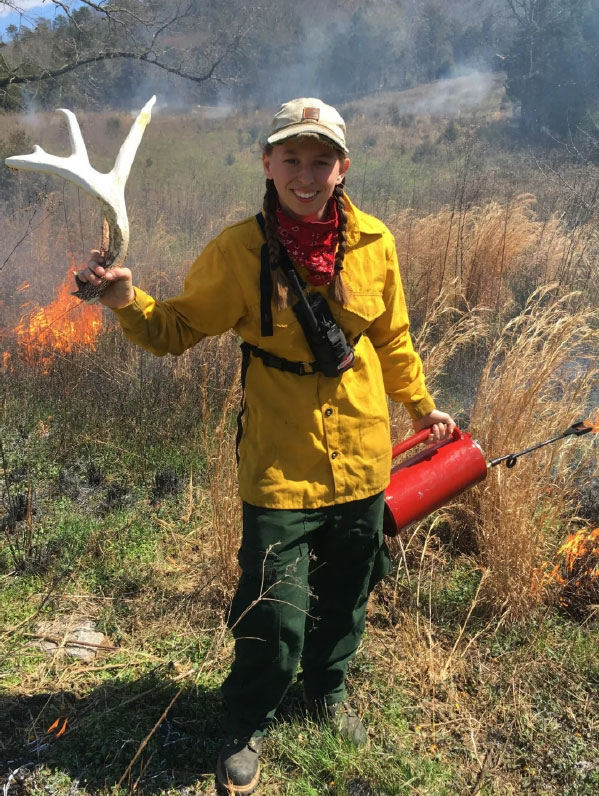
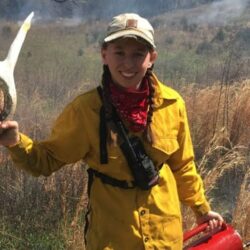
Katie began working with TRLT in November of 2021. She received her master’s degree in Wildlife Science from the University of Tennessee and a bachelor’s in Natural Resource Conservation and Management with a concentration in forestry from Western Carolina University. Katie has prior experience working for the N.C. Forest Service and the Tennessee Valley Authority, where she provided land management information and technical support to forest landowners and wildlife managers.
Katie’s interest and expertise is in prescribed fire, applied habitat management, sound forest management, and blending wildlife and forestry objectives. In her free time, Katie enjoys sharing the conservation ethic with others, especially kids, and promoting the wonderful natural resources that our state has to offer.
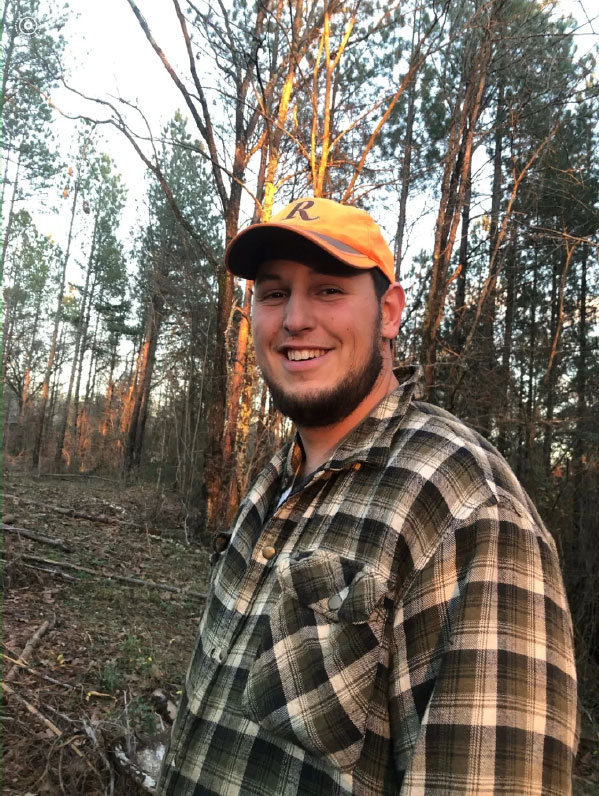
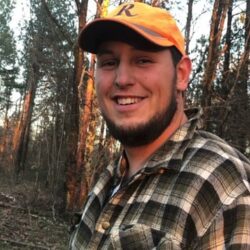
Matthew joined TRLT in August of 2022. His current role is the Stewardship Associate. In this role, Matthew makes annual contact with landowners that are enrolled in Three Rivers Conservation Easement Programs to make sure there are no easement violations. Matthew graduated from Gaston Early College High School in Dallas, North Carolina where he gained his associate of Arts and Associate of Science degrees. From there he received a Bachelor of Science in Fisheries and Wildlife Biology at North Carolina State University.
Matthew has extensive equipment operating experience along with an understanding of land management best practices that can give landowners insight into what they could potentially need to achieve their land management goals. In his free time, Matthew enjoys hunting, fishing, playing the guitar, and spending time with his family and dog named Gunner.
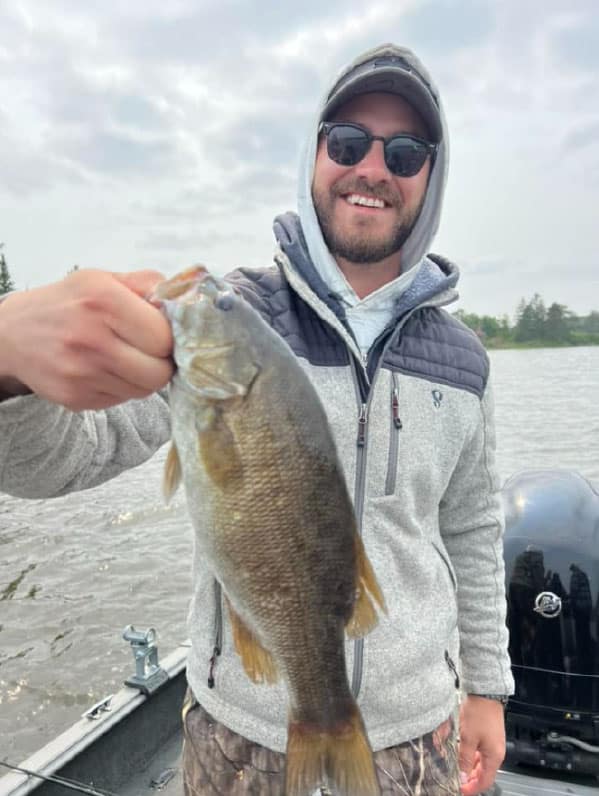
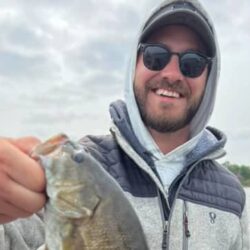
Michael joined TRLT in October of 2023 as a Development Associate. He graduated from UNC Charlotte with a bachelor’s degree in Communications. Born and raised in the dairy state of Wisconsin, Michael has called the Piedmont region of North Carolina home since 2008. He has spent the past three years working as a real estate agent servicing the greater Lake Norman area.
An avid hunter and fisherman, Michael enjoys spending his time in the outdoors and has a strong passion for conservation. Growing up working on a dairy farm, Michael understands the importance of family farms and the significance that the agricultural industry as a whole provides to the public. He is thrilled to be able to assist TRLT in their conservation efforts.
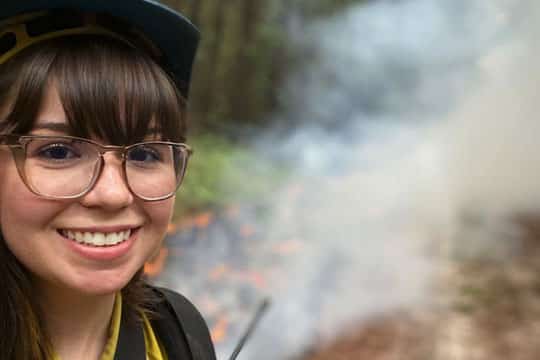
Jessie Wilson joined TRLT in August of 2024 as a Stewardship Associate. She graduated from UNCW with a Master’s in Environmental Studies, with a concentration in Conservation and Management. Jessie received her Bachelor’s in Environmental Science and a minor in Geology from Appalachian State University.
A Montgomery County native, Jessie grew up spending her weekends on horseback in the Uwharrie National Forest and “helping” her grandpa drive his boat on Lake Tillery. She is passionate about protecting the beautiful land in the Piedmont region that her family has called home for generations. Today, most weekends still find her in the woods, either riding her horse or hiking with her dog.
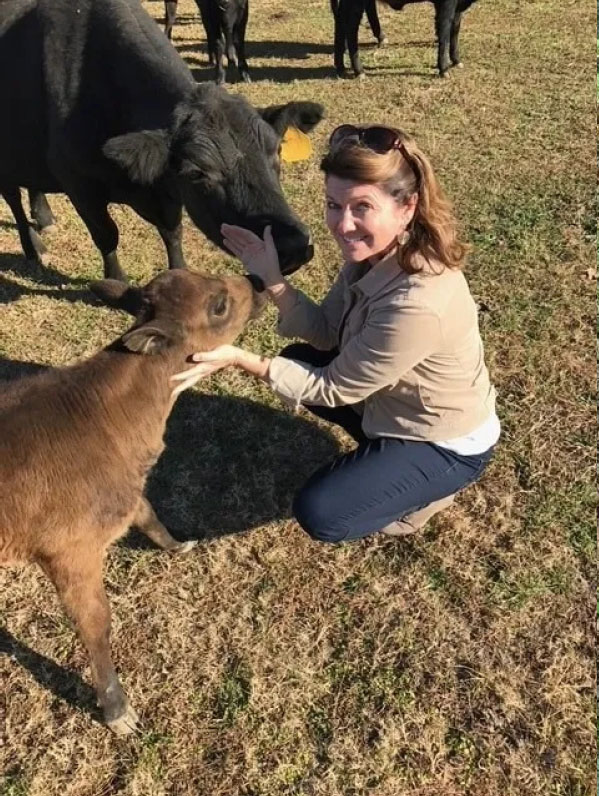
Tonya holds a bachelor’s degree in business management and leadership from Pfeiffer University. She has over nineteen years of experience in fundraising and event management within the nonprofit sector. Passionate about serving her community, Tonya actively volunteers and serves on various community boards. Beyond her professional commitments, she finds joy in gardening, particularly planting flowers, and spending quality time with her family.
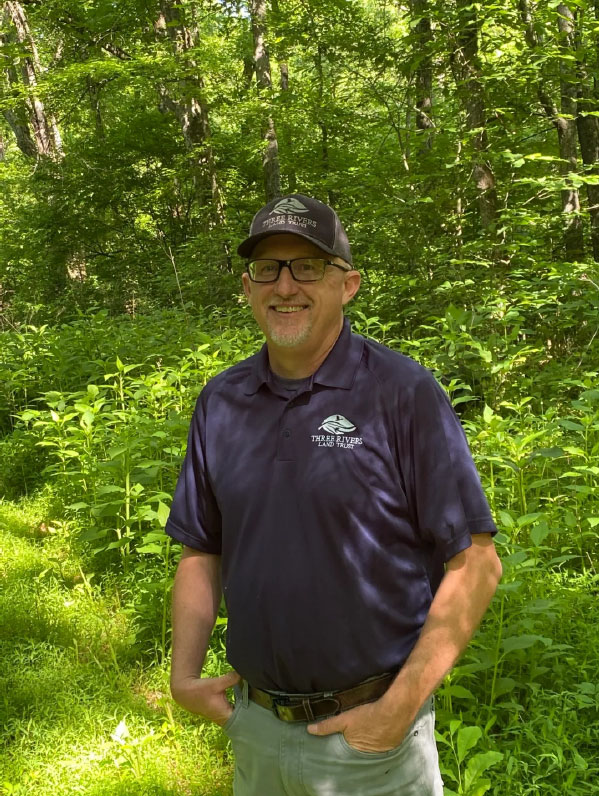
Buren Fulmer joined Three Rivers as the Sandhills Stewardship Associate in May 2024. Buren is a graduate of Western Carolina University with a Bachelor’s in Natural Resource Management and a concentration in forestry. Buren recently retired from the North Carolina Forest Service, working his entire career in the Sandhills region. Buren’s passion is the longleaf pine ecosystem, with a focus on restoration and prescribed burning. Buren enjoys hunting, fishing, and spending time with his family.
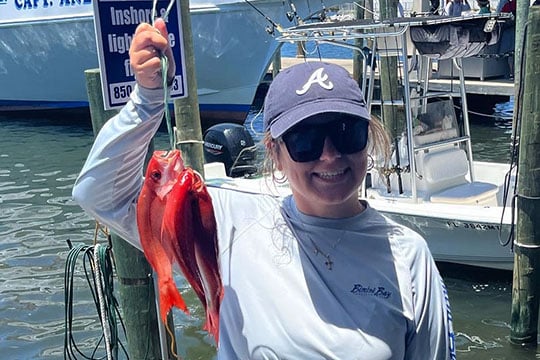
Nicole joined TRLT in October of 2024. She graduated from High Point University in 2024 with a Masters of Communications, Business, and Leadership and Bachelor of Arts in Communications in 2023. Nicole is passionate about storytelling, and utilizing social media as a tool for communicating the impactful work of the organization. As a Rowan County native, Nicole is passionate about the conservation of the natural lands she has grown up around. In her spare time, Nicole enjoys gardening, reading, and spending time with her family.

Nolan grew up in Western North Carolina. He worked part time as a fly fishing guide throughout college and graduated from NC State with a degree in Fisheries, Wildlife and Conservation Biology.
Previously, Nolan worked with the North Carolina Wildlife Resource Commission in the greater Triangle area. As an avid hunter and fisherman, Nolan has a deep passion for the land and the life it sustains. He holds a strong appreciation for North Carolina’s wild and diverse landscapes and is dedicated to conserving them for future generations.
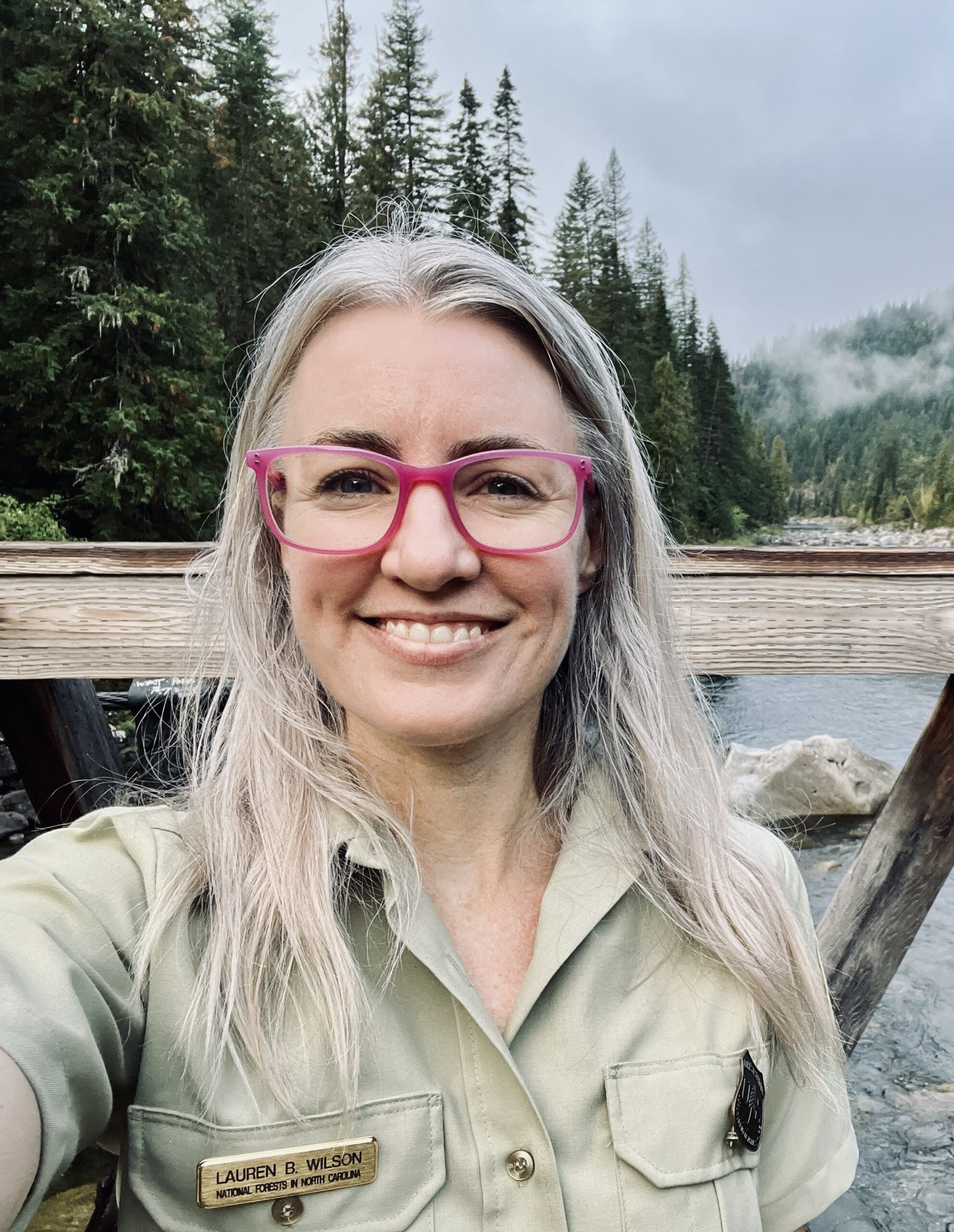
Bat Habitat
Abstract: While 17 bat species occur in North Carolina, about seven are commonly found in the Piedmont Region, including the tricolored bat, which is currently proposed for federal listing under the Endangered Species Act. Since the emergence of white‑nose syndrome in 2007, several bat species common in the Eastern United States have experienced population declines of more than 80 percent. These declines have been most severe in Western North Carolina, while Coastal North Carolina has emerged as a refuge where some species—such as the northern long‑eared bat—remain largely unaffected. This presentation will discuss the bat species found in the region including how to identify them and their conservation status, how they use and move across the landscape, how land management practices interact with their life cycle, and practical management strategies that can support bats and improve their habitat.
Bio:Lauren Wilson is a wildlife biologist specializing in public lands management, endangered species recovery, and bat conservation. She spent over 14 years as a Natural Resources Manager for the Department of Defense and 2.5 years as an Endangered Species Act Consultation Biologist with the U.S. Fish and Wildlife Service before becoming the State Wildlife Biologist for the U.S. Forest Service in North Carolina in 2023. Across her 20-year career, her work has relied on creative problem‑solving and strong relationship‑building to help land management agencies meet their goals while minimizing impacts to wildlife. She holds a Bachelor’s degree in Zoology from the University of Maryland, College Park, and a Master’s degree in Range Management from the University of California, Berkeley.
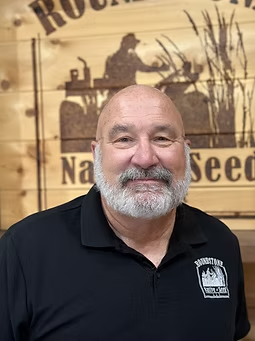
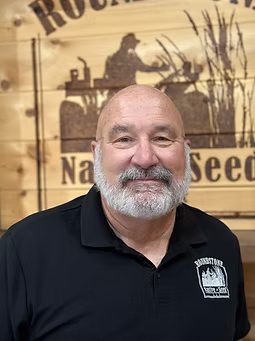
Proven Methods of Establishing Native Grasslands and Meadow
Abstract: Forested landscapes can be enhanced by strategically incorporating native forb and grass communities into broader management objectives, particularly on disturbed or degraded areas such as logging decks, temporary roads, utility corridors, wildlife openings, and retired agricultural fields. This presentation will explore proven methods for establishing native grasses and forbs within and adjacent to managed forests to improve biodiversity, support pollinators and wildlife, reduce invasive species pressure, and increase overall landscape resiliency. Emphasis will be placed on practical considerations including site preparation, seed mix development, planting methods, and long-term maintenance, along with lessons learned from restoring degraded sites into productive native plant communities that complement surrounding forest systems and strengthen long-term stewardship outcomes.
Bio:Charlie received his B.S. and M.S. in biology (emphasis on Wildlife) from Murray State University. Following graduation, he worked for 31.5 years for the Kentucky Department of Fish & Wildlife Resources as a wildlife biologist. During his career, he oversaw operations on several waterfowl areas, a prairie/field trial area, and the state’s first outdoor recreation area. Also, he was the state’s first elk restoration biologist involved in the re-establishment of a free-roaming elk herd in eastern Kentucky. In 1996 he received the Governor’s Land Heritage Excellence Award for prairie restoration on the West Kentucky Wildlife Management area using prescribed fire to stimulate native vegetation. He has worked a seasonal biologist for Roundstone since April 2018.

Restoring Longleaf Pine While Focusing on Native Groundcover
Abstract:
A fully functioning longleaf ecosystem supports wildlife, creates a forest with economic benefits, and maintains an aesthetically pleasing habitat for the landowner. The underlying force that drives these functions is the presence of healthy groundcover. Diversity in the groundcover plant community leads to diversity in the wildlife community. Many wildlife species require early successional habitats that prosper with frequent fire. Herbaceous grasses and wildflowers dominate these habitats. This presentation will discuss the importance and methods of securing the diverse understory when restoring longleaf pine to a location.
Bio:
Jennie Haskell is the Coastal Partnerships Coordinator for The Longleaf Alliance. She works closely with two of the three Local Implementation Teams in SC, the SoLoACE Longleaf Partnership and the Sewee Longleaf Conservation Cooperative. These LITs focus on bringing organizations, agencies, and landowners together to collectively support the longleaf ecosystem, specifically through education, outreach, restoration, technical assistance, and financial assistance. Before joining TLA in 2021, Jennie worked as a forester with the US Forest Service for over twenty years.
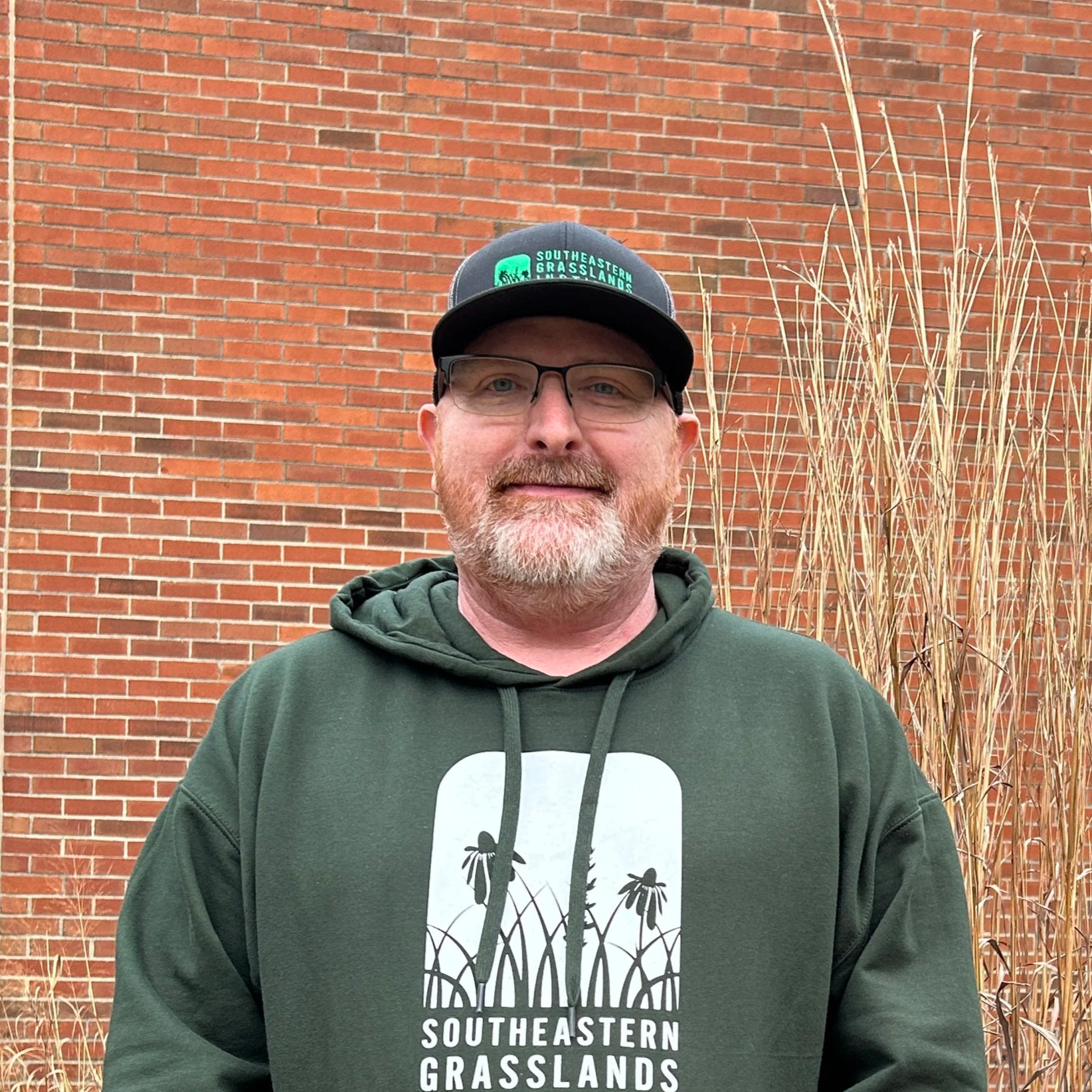
Woodlands and Grasslands of North Carolina: An Overview of the State’s Naturally Open Natural Communities
Abstract: While North Carolina is often thought of as a naturally forested landscape, several lines of evidence indicate that millions of acres of grasslands (including savannas) were present at the time of Euro-American settlement. These open ecosystems were scattered throughout the state and included prairies, barrens, balds, dunes, sandhills, flood-maintained riparian grasslands, marshes, open seeps and fens, savannas, open woodlands, and a variety of edaphic to semi-edaphic glade and rock outcrop communities. Many of these types contained significant variation along gradients of geology, slope, aspect, soil depth, soil chemistry, hydrology, and disturbance regime. These grasslands were disproportionally biologically diverse when compared to forested matrix communities and supported many endemic, disjunct, or otherwise rare species. They have also declined dramatically, with some types experiencing near total loss following Euro-American settlement. Protecting grassland remnants and restoring degraded or converted sites are among the highest conservation priorities in the region. The Southeastern Grasslands Institute is working on an updated inventory and classification of grassland and open woodland natural community types across the broader “Biogeographic Southeast”. This presentation will provide a brief overview of grassland types found in North Carolina, comment on their conservation status, and highlight some species of conservation concern that depend on them.
Bio: Theo Witsell is co-founder and Chief Conservation Officer for the Southeastern Grasslands Institute (SGI), where he oversees science and conservation programs. Prior to his current role at SGI, he worked for more than 25 years for the Arkansas Natural Heritage Commission (ANHC), the agency that houses that state’s Natural Heritage Program and System of Natural Areas. He had several roles in his time there, serving as a land manager before becoming the agency’s botanist, ecologist, and Chief of Research before leaving to work full time for SGI in early 2024. He has also worked as a consultant for a wide variety of federal and state conservation agencies and NGOs across eastern North America. A botanist at heart, Theo was co-editor of the Atlas of the Vascular Plants of Arkansas (2013), co-author of Trees, Shrubs, and Woody Vines of Arkansas (2021), and recently completed a book about his field work following the route of naturalist Thomas Nuttall’s 1819-1820 trip through what is now Arkansas and Oklahoma. He has authored or co-authored more than 45 scientific papers and book chapters and is a regional reviewer for the Flora of North America Project.

Opportunities to Enhance Management Objectives and Activities and Lessons Learned
Abstract: Forest managers are increasingly expected to balance multiple objectives across working lands, including timber production, wildlife habitat improvement, forest health, recreation, water quality protection, and long-term resiliency. This presentation will explore practical opportunities to enhance management objectives and on-the-ground activities through strategic planning, cross-disciplinary collaboration, and adaptive implementation. Drawing from field experience and real-world project examples, the discussion will highlight approaches that improved operational efficiency,
Bio: Jimmy has been with NC State Parks since 2013 where he has served as a Regional Biologist, the statewide Restoration Specialist, Head of Natural Resources, and currently as the Biologist Program manager within the section. He and the staff focus on: fire ecology & implementation, the management & ecology of significant species and natural communities, invasive species, hydrology, and consultation for public use on more than 265,000 acres within the North Carolina State Park system. He is an AFE Certified Fire Ecologist, a TWS Certified Wildlife Biologist, and a NC Registered Forester.
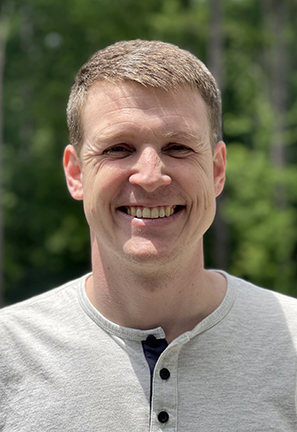
Managing Water Levels for Wintering Waterfowl
Abstract: This presentation will provide a high-level overview of why managing water levels is one of the most effective tools to increase food for wintering waterfowl in NC. I’ll include information on water control structures, impoundment creation, and plant communities.
Bio: I am Ed Farley, and I was born and raised in eastern NC. I’ve been waterfowl hunting here for over 25 years. I have worked for DU for over 10 years up and down the Atlantic Flyway. Since 2024, I have been DU’s Manager of Conservation Programs in VA, NC, SC, and GA. I help deliver wetland conservation projects across those states. These projects include wetland restorations, conservation easements, and fee title acquisitions.
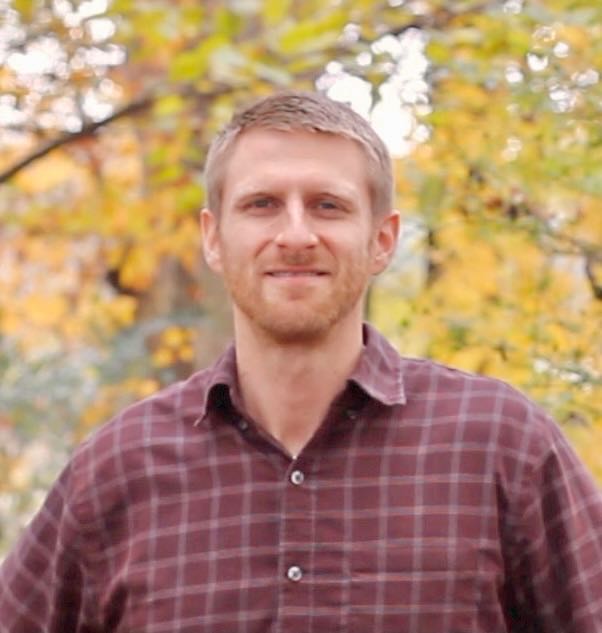
From Summer Surveys to Hunting Season: Understanding What Trail Cameras Miss
Abstract: Late-summer camera surveys can be a valuable tool for estimating deer population parameters prior to the hunting season, but they only capture a snapshot in time of the herd structure when the surveys are conducted. Using baited cameras and unbaited (passive) cameras shows that seasonal changes in deer movement and behavior can result in significant redistributions of deer herds on a property during the hunting season, increasing observed buck numbers by as much as 60% following summer surveys. This presentation will cover how to conduct an effective baited camera survey, how to estimate density and sex ratios, and how to interpret results in light of seasonal bias and deer movement. Emphasis will be placed on practical applications for landowners and how to use camera data to make better management decisions.
Bio: Dr. James Johnson is a Certified Wildlife Biologist, a faculty member with the UGA Deer Lab, and is currently the Director of Continuing Education at the Warnell School of Forestry and Natural Resources. His PhD and post-doctoral research focused on developing trail camera surveys for monitoring populations of white-tailed deer in Georgia through projects funded by the GA DNR Wildlife Resources Division. He was born on one of Georgia’s oldest angus farms and has been involved in active land and wildlife management for over 20 years in the Southeast.
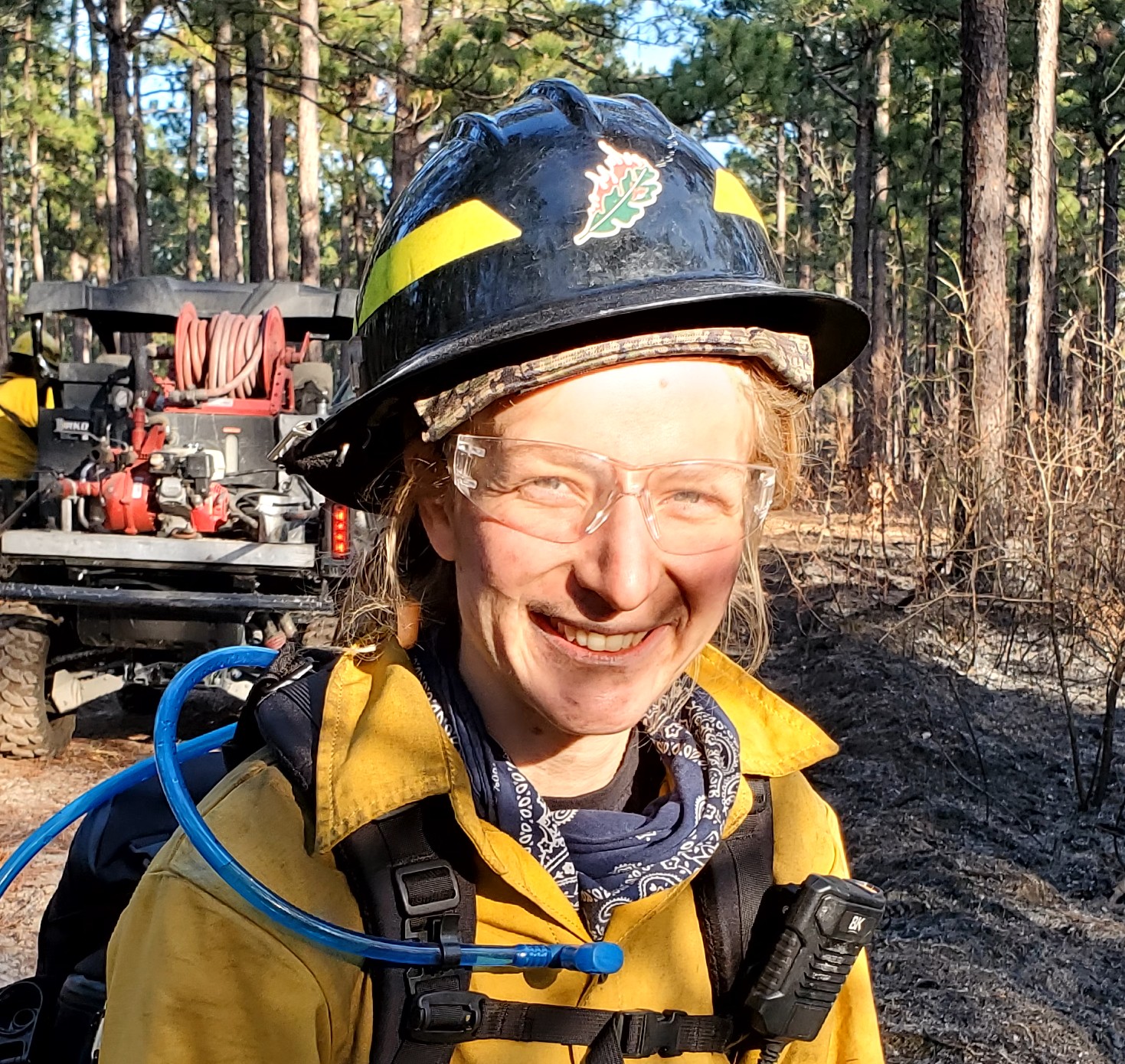
Plant and wildlife response to repeated seasonal prescribed fire
Abstract: Prescribed fire is an important management tool for many ecosystems in the eastern US, including pine/oak savannas and woodlands. Fire intensity, frequency, and timing influence plant community composition and structure, as well as wildlife use. Historically, managers have applied prescribed fire primarily during the dormant season, but burning through the year is becoming more common. We discuss three relatively long-term fire seasonality studies spanning 6–15 years, investigating the effects of repeated prescribed fire in the dormant (January–March), early (April/May), mid- (June/July), and late (September/October) growing season on a 1-, 2-, and 3-year fire-return interval. Fire timing influences understory plant composition and midstory stem density, as well as use by deer, turkey, and predators.
Bio: Maya Lapp is a Master’s student working under the direction of Dr. Craig Harper at the University of Tennessee. She is investigating the effects of fire timing on plant communities in woodlands and savannas across the southeastern US. Her research results have direct implications to applying prescribed fire more precisely to reach management objectives. Maya is working to help landowners gain a better understanding and confidence in their use of prescribed fire to restore plant communities and improve their land for wildlife use.
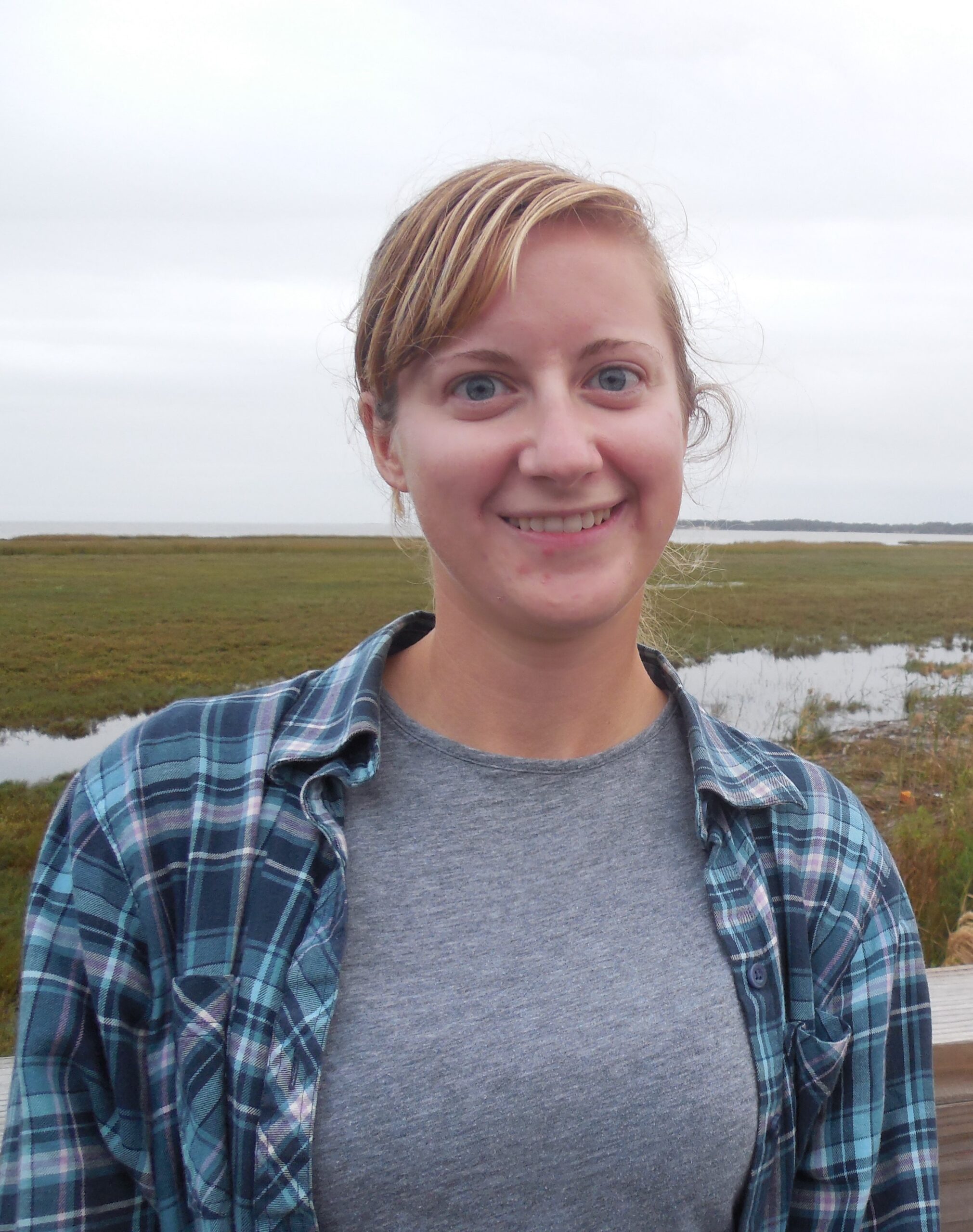
Managing Wild Turkey Habitat in North Carolina
Abstract: This presentation will focus on wild turkey habitat requirements and the management prescriptions to obtain and maintain them. It will cover habitat management in forested areas and open areas, with a particular focus on nesting and brooding habitat which are limited across North Carolina.
Bio: Hannah Plumpton is the Upland Game Bird Biologist for the North Carolina Wildlife Resources Commission. An expert in wild turkey biology and management, Hannah oversees statewide surveys and research projects aimed at sustaining North Carolina’s upland game populations.

Planting Smarter: How Spacing and Genetics Can Impact Profit and Wildlife Habitat in Loblolly Pine
Abstract: For landowners choosing to replant after a harvest, the decision of what spacing and what level of genetics to plant back will influence the timber production, financial returns, and wildlife habitat of that future forest. Current planting densities and genetic levels will be discussed so that landowners have a better understanding of how these decisions can help them achieve their goals.
Bio: Austin Heine serves as the Reforestation Advisor for North Carolina and Virginia, working directly with landowners to help them successfully reforest their properties and achieve their long-term management goals. Prior to this role, he spent eight years with the NC State Tree Improvement Cooperative, where he gained extensive experience in tree genetics, forestry research, and seedling development.
Austin specializes in guiding landowners through every step of the reforestation process—from selecting the appropriate seedlings and genetics to determining the best site preparation methods based on soil type and site conditions. His expertise helps ensure landowners choose the most suitable stock and strategies for establishing productive, healthy forests.
Austin holds a B.S. in Forest Management and an M.S. in Forestry from North Carolina State University and is currently a Ph.D. candidate in Forestry at NC State, where his research focuses on improving seed yields for mass control pollinated loblolly pine. By combining his background in forestry, genetics, and tree improvement with hands-on field experience, Austin works closely with landowners to support successful reforestation efforts across the region.
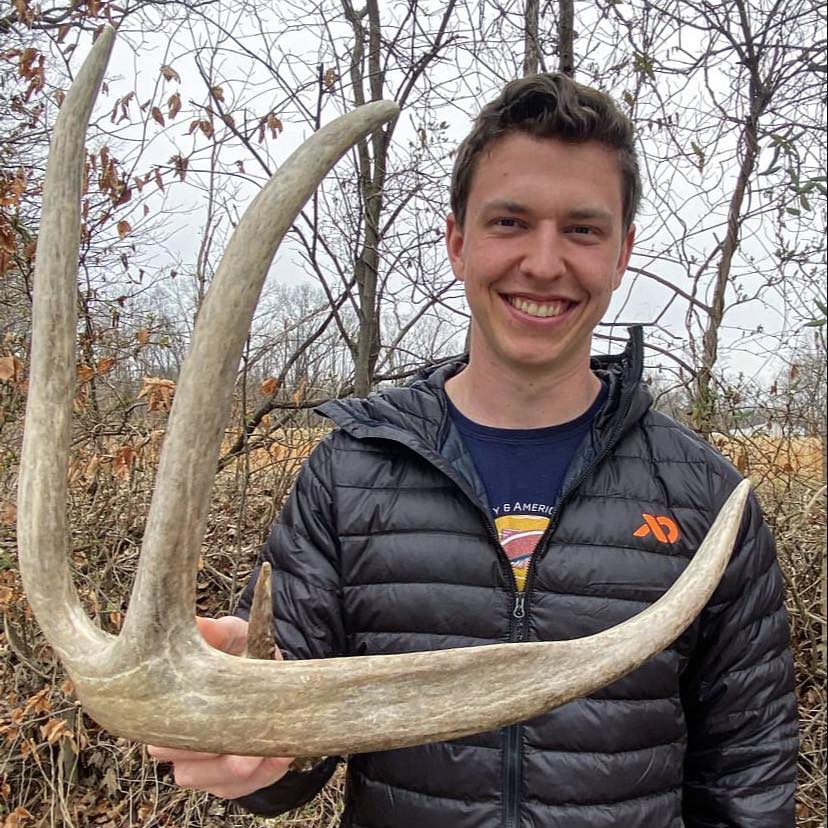
Acorn Selection by Deer: The Relative Value of Oak Species to Deer and Other Wildlife.
Abstract: What drives acorn selection by deer: species, timing, tannins, or other factors? Traditional hunting lore emphasizes “sweetness” as the primary driver of selection, suggesting white oaks are preferred while red oaks are ignored until deer run out of other foods. However, this explanation overlooks critical variables such as landscape context, availability of other foods, and how these factors may change diet selection. A comprehensive understanding of oaks is vital, because effective habitat management must be informed by landscape context and a thorough evaluation of all cover types and plant species within it. These topics will be explored in the context of habitat management, as well as a review of bottomland and upland oak species across North Carolina and their identification.
Bio: Moriah Boggess is a deer biologist and habitat management specialist with more than a decade of land management experience across the Southeast and Midwest. His background combines research in deer ecology and forest management with practical, on-the-ground experience improving wildlife habitat on private lands.
During his master’s research, Moriah studied deer herbivory in upland forests and the effects of prescribed fire on acorn consumption. He later served in statewide Deer Biologist roles for both North Carolina and Indiana, where he worked closely with landowners and agencies to better understand and manage deer populations and the habitats they depend on.
When Fire is Not Enough
Abstract: Prescribed fire remains one of the most cost-effective and ecologically important tools for wildlife habitat management. However, the modern Southeastern landscape’s plant species composition and structure often limits the ability of fire alone to restore or maintain desired plant communities for both game and non-game species. In this presentation, I highlight common scenarios where fire is insufficient to accomplish vegetation management objectives and discuss how these limitations can be addressed through the strategic integration of prescribed fire with herbicide or other targeted treatments, with emphasis on expected vegetation responses, tradeoffs, and practical guidance for implementation at operational scales.
Bio: Dr. Will Gulsby is an Associate Professor of Wildlife Ecology and Management at Auburn University and earned his M.S. and Ph.D. degrees in Forest Resources from the University of Georgia’s Warnell School of Forestry and Natural Resources. His teaching and research focus on applied habitat management for wildlife, which are informed by his frequent work with both public and private landowners and managers. He also co-hosts the Wild Turkey Science Podcast with Dr. Marcus Lashley.

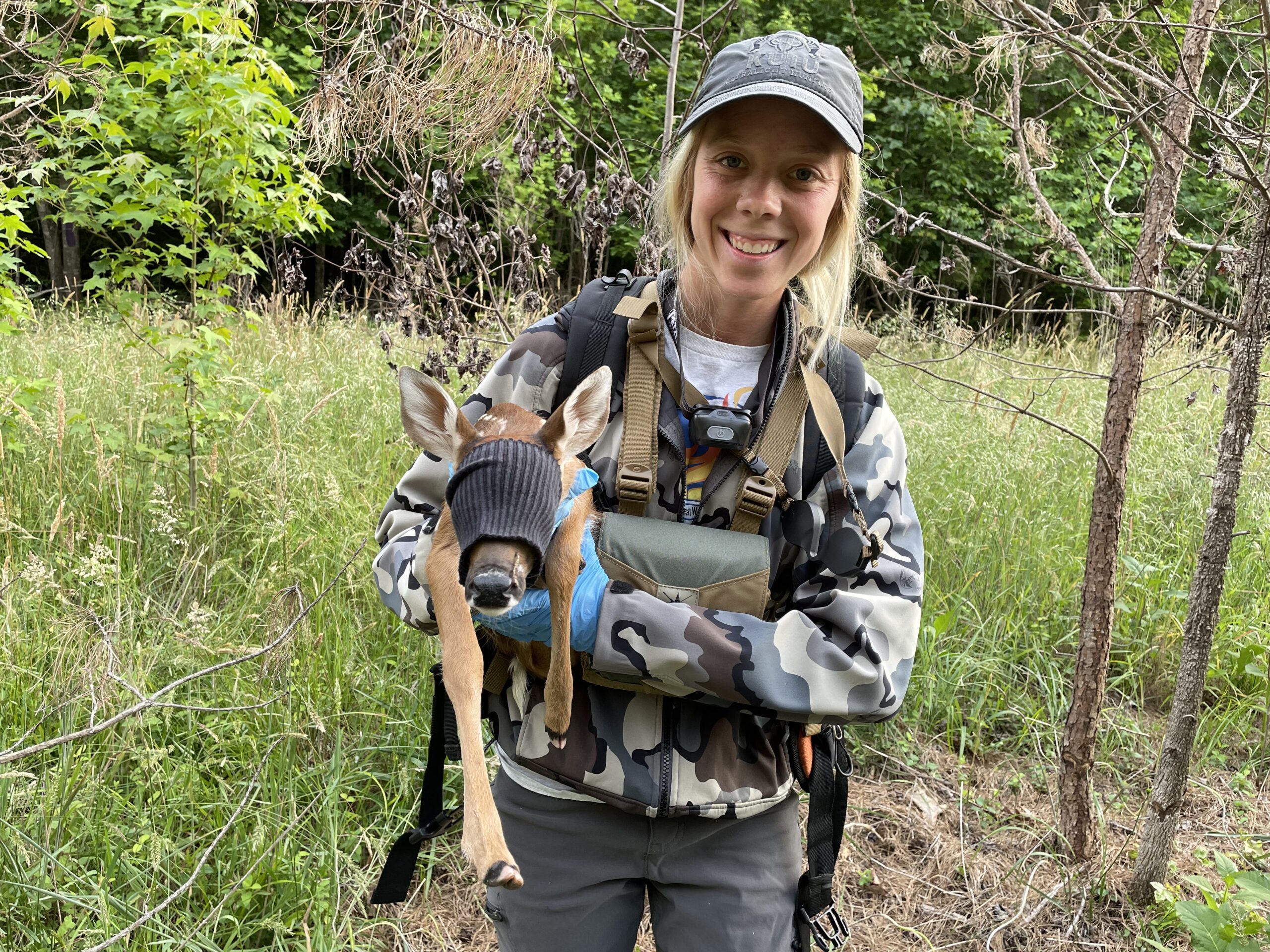
Abstract: Urbanization changes landscapes and the resources available to wildlife, often leading to changes in how individuals acquire food and cover and to reproduction and survival at the population level. We conducted a three-year telemetry study in North Carolina to examine how urbanization influences white-tailed deer movement, resource selection, survival, and causes of mortality including hunting. We will present results for adult male and female deer and for young fawns. Results of the study improve our understanding of deer populations in urban areas and can inform future management decisions as North Carolina continues to urbanize.
Bio: Mikiah Carver-McGinn is a Ph.D. candidate in the Fisheries, Wildlife, and Conservation Biology Program at North Carolina State University. Her research focuses on how urbanization affects white-tailed deer ecology, including their movement patterns, resource selection, and mortality risks across urban-rural gradients. She earned her B.S. in Geography and M.S. in Wildlife and Wildlands Conservation from Brigham Young University, where she studied the impact of feral horses on greater sage-grouse populations.
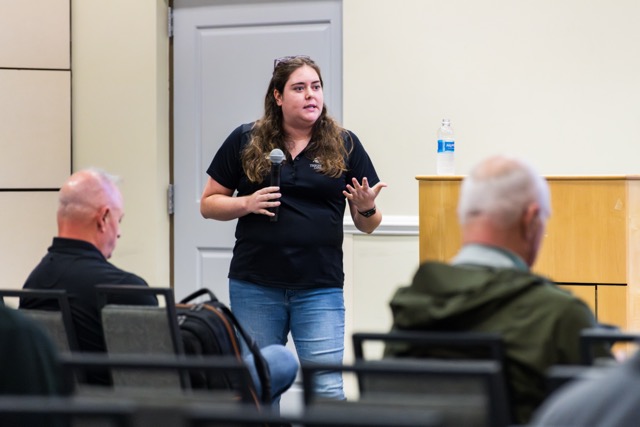
Conservation Options for Private Landowners
Abstract: Emily’s presentation will discuss the conservation options available to private landowners. Topics include donated conservation easements, purchased conservation easements, property acquisition, and conservation land donations. Conservation options for farm and forest land will be discussed in detail.
Bio: Emily began working for Three Rivers Land Trust in February 2021. She attended North Carolina State University where she graduated with a Bachelor of Science in Fisheries, Wildlife, and Conservation Biology in the spring of 2020. Emily graduated from Clemson University with a Masters degree in Wildlife and Fisheries Resource Management in December of 2023. She is also a Certified Associate Wildlife Biologist. Before coming to the Land Trust, she worked on wildlife management projects for private companies and managed the hunting program on a wildlife refuge. As a Montgomery County native, Emily is passionate about conserving the natural lands she has been able to enjoy in the region. In her spare time, Emily is an avid birder and also enjoys hiking, paddling, and baking.
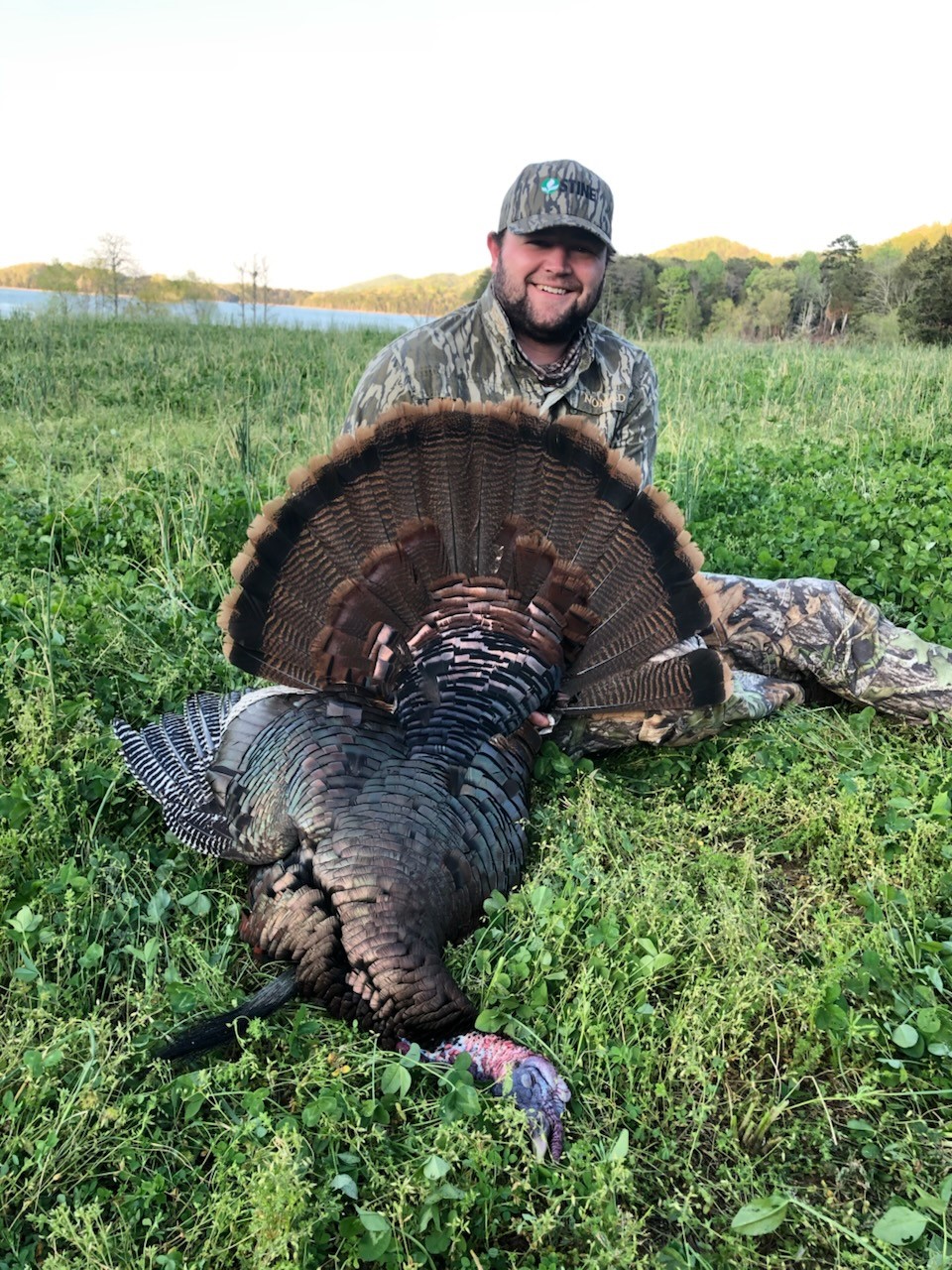
Abstract: Restoration of nonnative grasslands to native early successional plant communities has been a conservation focus throughout the United States for several decades. Restoration technique and subsequent management greatly influence the resulting plant community. Managers and landowners should consider both restoration technique and management practices available to them to closely meet their objectives.
Bio: Bonner Powell is a graduate of Mississippi State University and the University of Tennessee. He is currently a private lands biologist with Mississippi Department of Wildlife Fisheries and Parks in North MS and conducts around 100 private lands site visits annually.
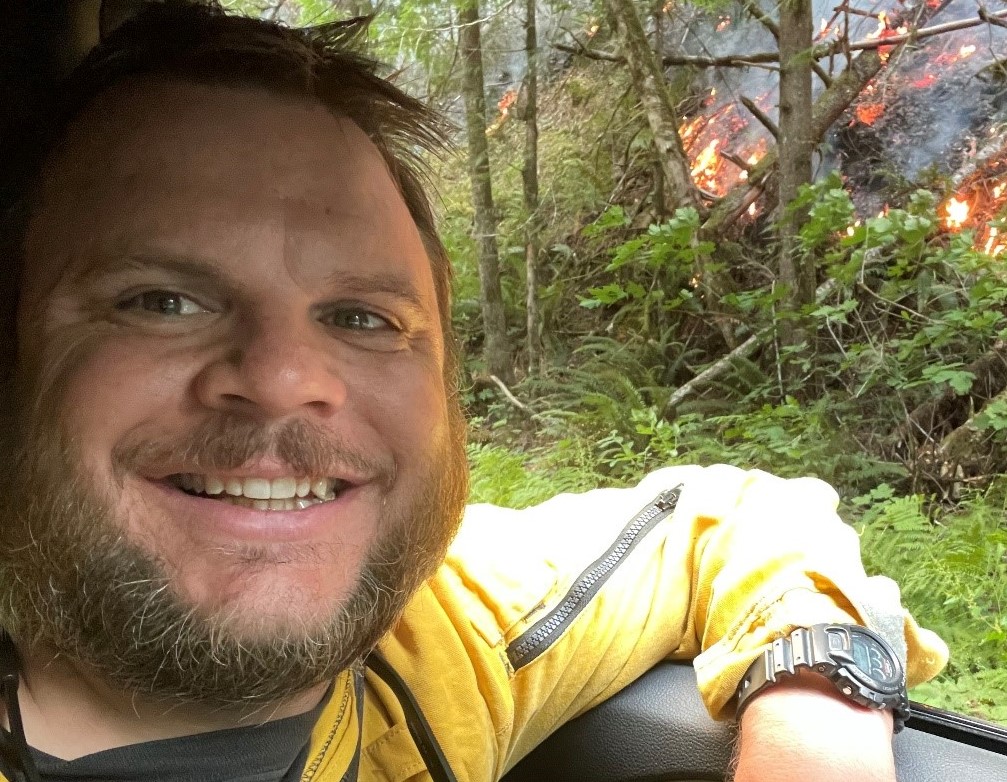
Abstract: Are you interested in prescribed fire management? In this 1-hour session we will look at fire weather intelligence products and smoke models to assist in opening more opportunities for prescribed burning. We will look at interpreting weather forecasts, burn plan parameters, and help with the decision process for a GO or NO-GO burn day on borderline days or when faced with smoke challenges.
Bio: Thomas Crate is the Fire Management Officer for North Carolina State Parks. Thomas is responsible for overseeing the implementation and management of fires on state park lands. Thomas is a unit instructor for S-290 Intermediate Fire Behavior, S-390 Introduction to Wildland Fire Behavior Calculations, and a field instructor for the North Carolina Certified Burner Course. Thomas is a North Carolina State Certified Burner and is nationally qualified as a Type 2 Burn Boss. Thomas is a lifetime member of the North Carolina Prescribed Fire Council and former President.
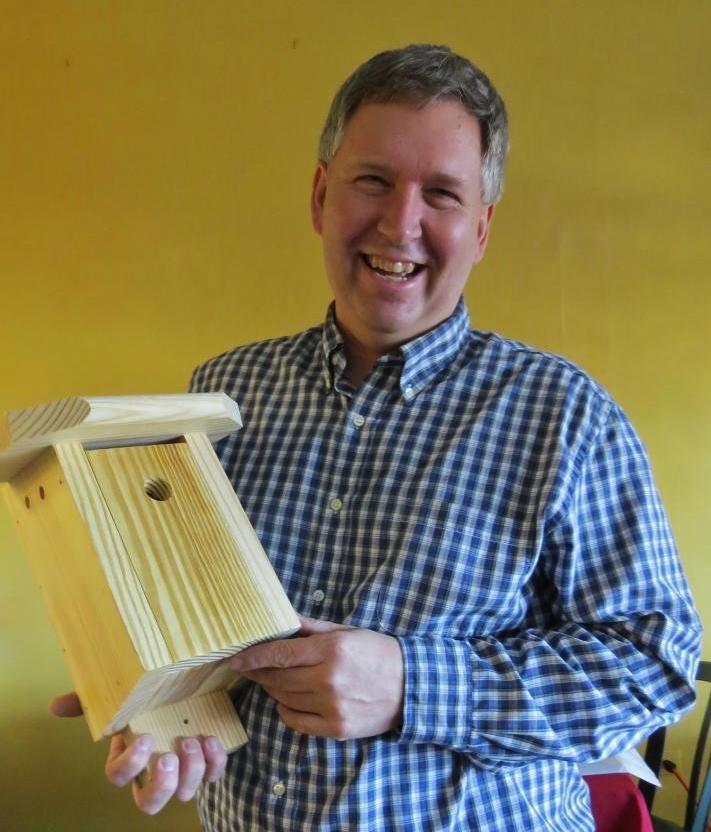
Abstract: Forest and land management can have significant impacts on birds and thinking about what to do, where to do it, and how much of it is needed is a step toward optimizing bird usage on your land, in your neighborhood, and region. We will discuss some of the tenants of songbird management, for a full suite of birds that need our help.
Bio: Curtis is a 1985 magna cum laude graduate of Appalachian State University with a Bachelor of Arts in Biology and in 1996 received a Master of Arts in Appalachian Studies A life-long bird watcher, Curtis began watching birds with his grandfather, who was very interested in Purple Martins. With Audubon NC for more than 23 years, his current position is Vice President and Executive Director. He is a member of several conservation committees including the International Golden-winged Warbler working group (including working on this species and others on their wintering grounds in Nicaragua), chair of the NC State Scientific Council Bird Committee, and a member of the steering committee for the Bird Atlas effort in NC. He has been involved in wind and bird interactions for two decades, including service on NC’s first wind working group and helping draft legislation and model local ordinances regarding wind energy in NC. He is a contributing author or editor for several books, publications, and peer reviewed papers. He resides in Garner, NC with his wife of 42 years, Mary, and has three children and five grandchildren.
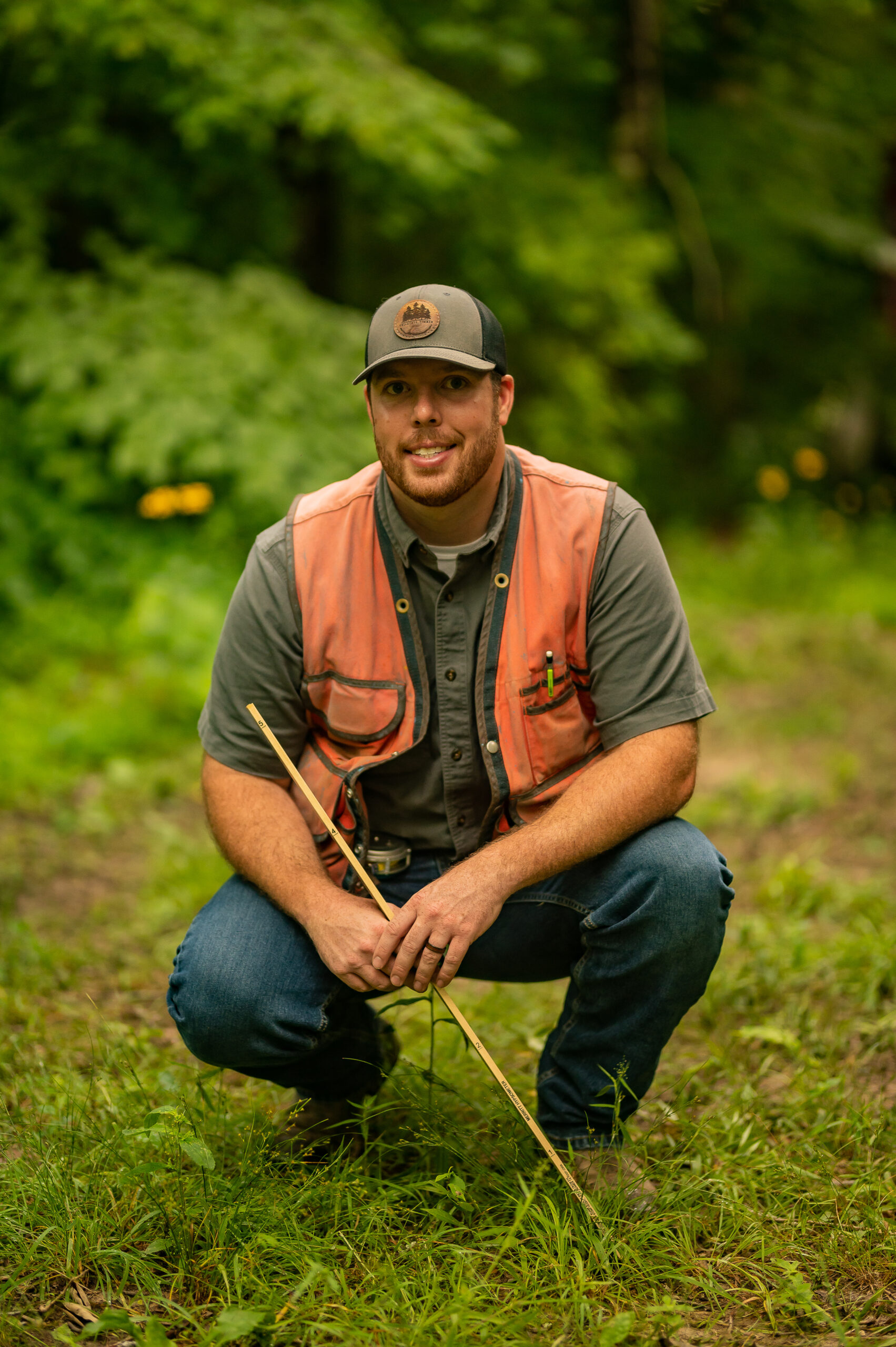
Abstract: Over 60% of North Carolina’s land base is comprised of forestland which accounts for more than 18.7 million forested acres (83% private, 17% public). Decisions made when managing (or not managing) forests directly influence habitat quality for wildlife species. Traditional silviculture practices offer notable benefits to many wildlife species, but those benefits are often short-lived and generally result in moderate increases in habitat quality for wildlife species associated with forest disturbance. The most popular game species in North Carolina are white-tailed deer followed by wild turkey and small game species such as rabbits and quail. These species collectively benefit from forest disturbance and require the resulting vegetative characteristics to meet a portion of or all their habitat requirements. Strategic timber harvesting strategies and intermediate forest management practices can be used to integrate silviculture and habitat management on private and public forestlands across North Carolina. I will discuss practical options in hardwood systems and pine systems that will hopefully stimulate ideas for implementation on properties you manage where landowner objectives require considerations for both silviculture and habitat management.
Bio: Jordan grew up in Rutherford County, NC and now serves as Director of Field Operations for Compass South Forestry, LLC. He has worked in several capacities as a wildlife biologist and forester since 2013 helping to manage private forestlands, along with state and federal lands, in the Carolinas and across the Southeast. He received his A.A.S in Fish and Wildlife Management from Haywood Community College then a B.S. in Fisheries, Wildlife, and Conservation Biology from NC State University. After graduating from NC State University, Jordan earned his master’s degree from the University of Tennessee, where he studied the influences of forest management practices on habitat quality for various wildlife species. He is a NC Registered Forester, Certified Forester® with SAF, and a Certified Wildlife Biologist® with TWS.

Abstract: Kessinger’s discussion will focus on current pine markets of the Carolinas including pine fiber. There will be a specific focus on current trends, predicted trends, and emerging markets across the South.
Bio: With 28 years in Timberland Investment Management Organizations (TIMOs), Jeremy Kessinger combines land management expertise with business acumen to optimize operations and profitability. At ResourceWise, he supports customers through service, training, and helping identify additional solutions, while actively contributing to product development as the voice of the customer. Previously, Kessinger served as Regional and Area Manager at Greenwood Resources, leading teams across seven states and driving income growth, land sales, and long-term planning. He also held roles with Hancock Forest Management and Resource Management Service. Kessinger holds a B.S. in Forestry and Wildlife Management from Virginia Tech and is a registered forester in SC, NC, and AL.
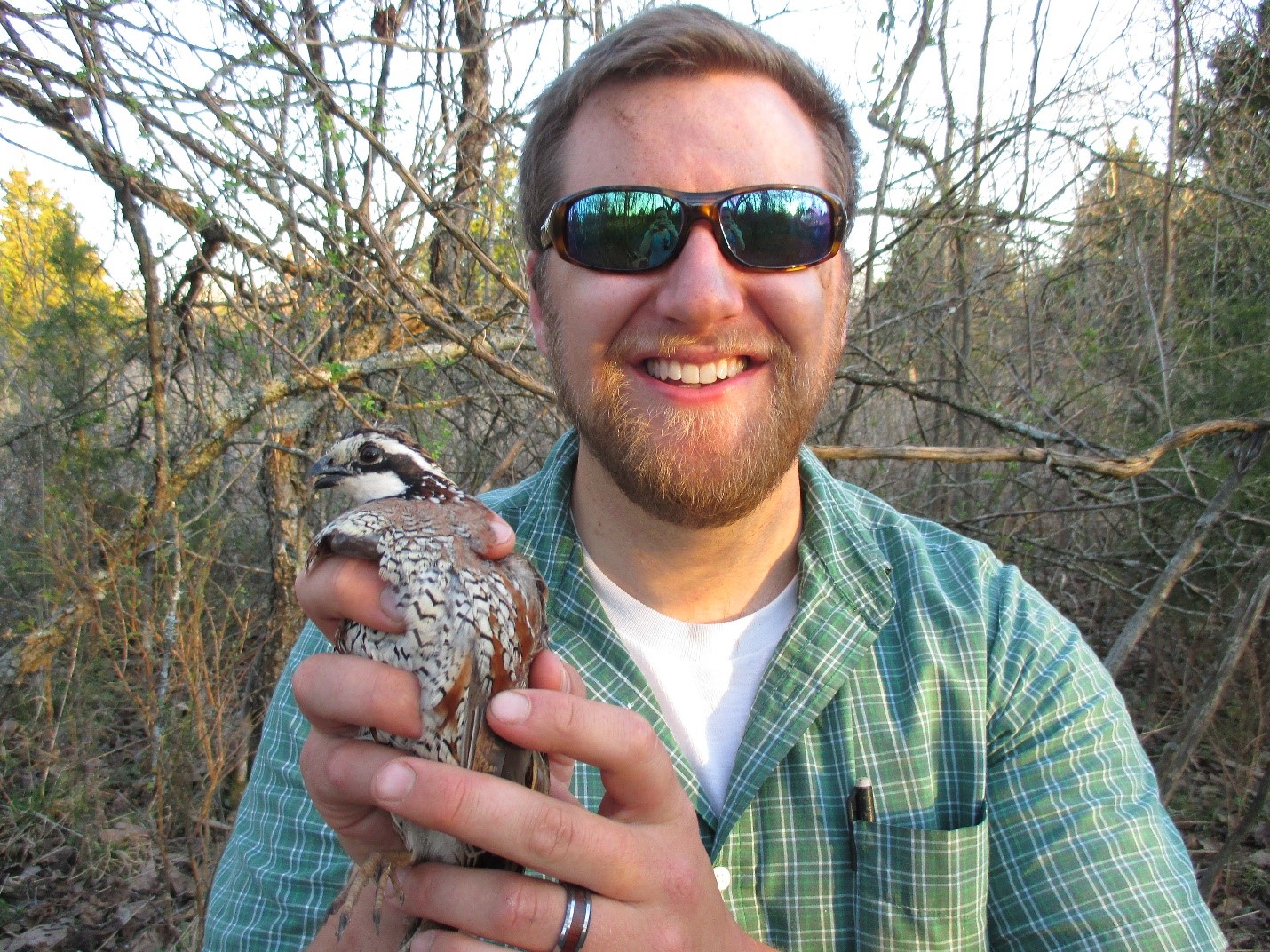
Abstract: The Northern Bobwhite is one of the most intensively studied bird species in the world. Despite a wealth of knowledge on the practices and habitat qualities that quail need to sustain and/or increase populations, one of the greatest barriers to successful conservation efforts is a faulty perception of hunters, landowners and land managers of what encompasses quality habitat. Preserve hunts, magazine photos, educational fliers, personal experience, and human nature have often negatively influenced how we how we view and judge habitat. The commonly referred to “Rule of Thirds” offers an excellent starting point in restoring a comprehensive vision of what truly constitutes good habitat. In this presentation we will dive into the nuances of cover types, individual species, and balance that is required in quail habitat management.
Bio: Jake McClain is the South Carolina State Coordinator with Quail Forever where he supervises a talented team of biologists and technicians. He graduated from the College of William and Mary with a B.S. in Biology in 2014. In 2016 he earned his M.S. from the University of Arkansas where he studied the spatial ecology and density of nest predators on public lands in SW Missouri. In 2022, McClain co-founded the first PBA (Piedmont Prescribed Fire Cooperative) in South Carolina. He lives in the Upstate of SC with his wife and two children.
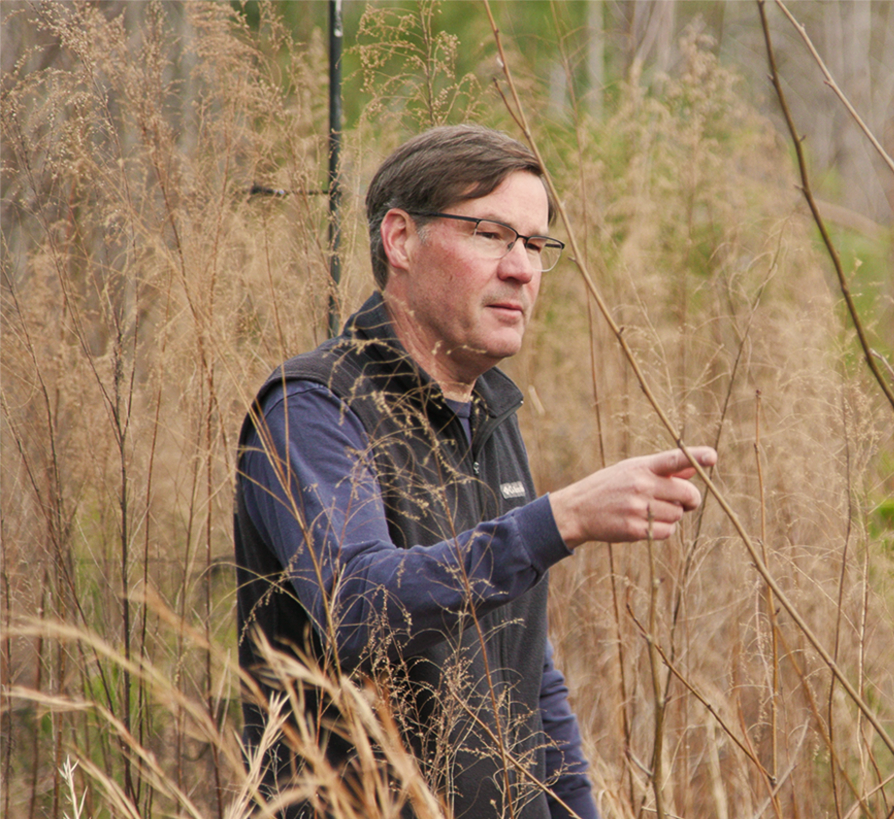
Abstract: Moorman will explain the ecological role of fire in creating and maintaining habitat for a variety of game and non-game wildlife. The presentation will emphasize the importance of defining focal wildlife species when considering fire effects, as there always are winners and losers with any management action, or lack thereof. In other words, individual species respond uniquely to fire effects. Wildlife species indirectly respond to the changes in vegetation structure and composition created by fire(s), and less commonly directly to the fire itself. So, wildlife managers must primarily be vegetation managers. Therefore, Moorman will describe how fire severity, season, and frequency drive changes to vegetation and hence determine indirect effects on wildlife. The presentation will weave a story of fire effects based on a series of published studies from the Sandhills and Southern Appalachians of North Carolina to the Sierra Nevada mountains in California.
Bio: Moorman is a Professor of Wildlife Ecology and Associate Head of the Department of Forestry and Environmental Resources. His research is focused on understanding the effects of global change, especially land use change, on wildlife. The research typically is applied and often employs large-scale, replicated environmental manipulations. More specifically, he focuses on forest wildlife management with emphasis on fire ecology, conservation of wildlife in agricultural landscapes, avian ecology and conservation in temperate and tropical regions, and urban wildlife ecology and management. Recent research projects include study of bird and vegetation response to sea-level rise and associated salinization, community restoration fire effects on wildlife, and effects of weather and future climate on eastern wild turkey reproduction. He was the lead editor for the book Renewable Energy and Wildlife Conservation, published in 2019. Moorman teaches courses focused on wildlife-habitat relationships, including a study abroad focused on tropical wildlife ecology in Ecuador.

Abstract: Land stewards throughout the southeastern U.S. frequently encounter multiple invasive plant species in their quest to manage natural and managed areas. With management goals ranging from increasing productivity to improving wildlife habitat to enhancing biodiversity, multiple approaches are necessary to achieve desired goals. While the use of herbicide is a known successful tactic for invasive plant management, the use of prescribed fire is less known in terms of its overall impacts and efficacy. This talk will highlight several of the more prominent invasive plants in the Southeast and outline management tactics that do and do not work for their control. In many cases, an integrated approach is the most effective, and these strategies will be discussed in the context of invasive plant management.
Bio: Dr. David Coyle is an Associate Professor in the Department of Forestry and Environmental Conservation at Clemson University. His extension and research program focuses on forest and tree health and invasive species management in natural and managed landscapes across the Southeast, and he creates educational materials for professionals and non-professionals on everything from invasive plants to native and invasive arthropods. Dave is Past-President of the North American Invasive Species Management Association and has won national awards from the North American Invasive Species Management Association, Society of American Foresters, Forest Landowner Association, and Entomological Society of America. He grew up on a farm in southeastern Minnesota and completed his B.A. in Biology at Luther College, M.S. in Entomology and Forestry at Iowa State University, and PhD in Entomology at the University of Wisconsin.
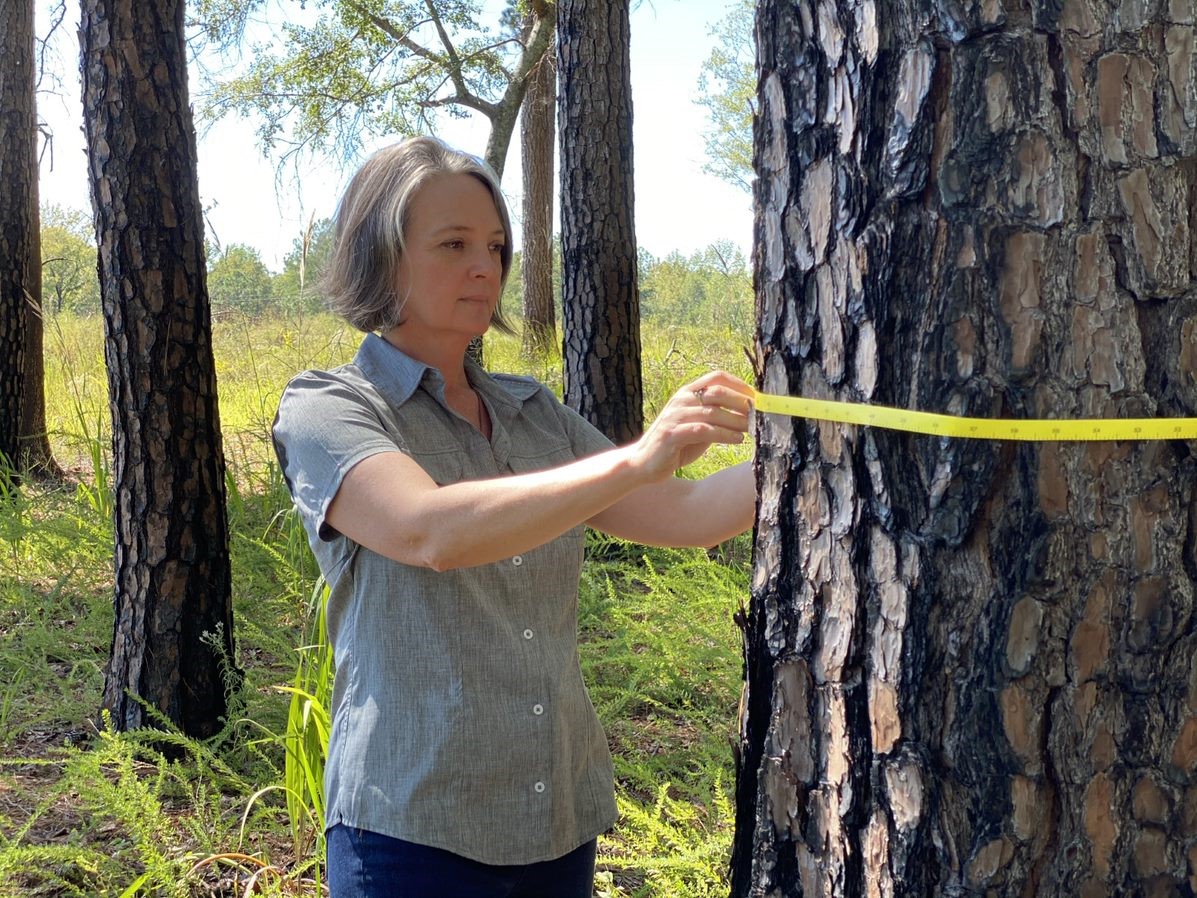
Abstract: Across the central and eastern U.S., historically fire-adapted oak savannas and woodlands are shifting to dense, multi-layered, closed-canopy forests of shade-tolerant, fire-sensitive, and/or opportunistic tree species. One possible explanation for this shift is mesophication, a multi-phased process by which fire exclusion encourages the densification of stands by encroaching tree species (i.e., mesophytes), whose traits then create shadier, cooler, and wetter understory conditions and a leaf litter fuel bed that dampens fire, allowing mesophytes to self-perpetuate while hindering regeneration of pyrophytic tree species. Our research identifies mechanisms of mesophication and consequences for restoring and conserving upland oak landscapes.
Bio: : Dr. Heather D. Alexander is an associate professor of forest and fire ecology and the Dwain G. Luce Endowed Professor of Forestry in the College of Forestry, Wildlife, and Environment at Auburn University, where she teaches classes in forest ecology and forest fire management. Her research program at Auburn focuses on understanding forest ecosystem vulnerability in the face of changing fire disturbance regimes using observations across natural gradients and field-based experimental manipulations. She has studied fire effects on the composition, structure, and function of oak, mixedwood, and pine forests of the eastern U.S. for 20 years and has a strong interest in understanding the implications of mesophication for carbon dynamics and forest flammability.
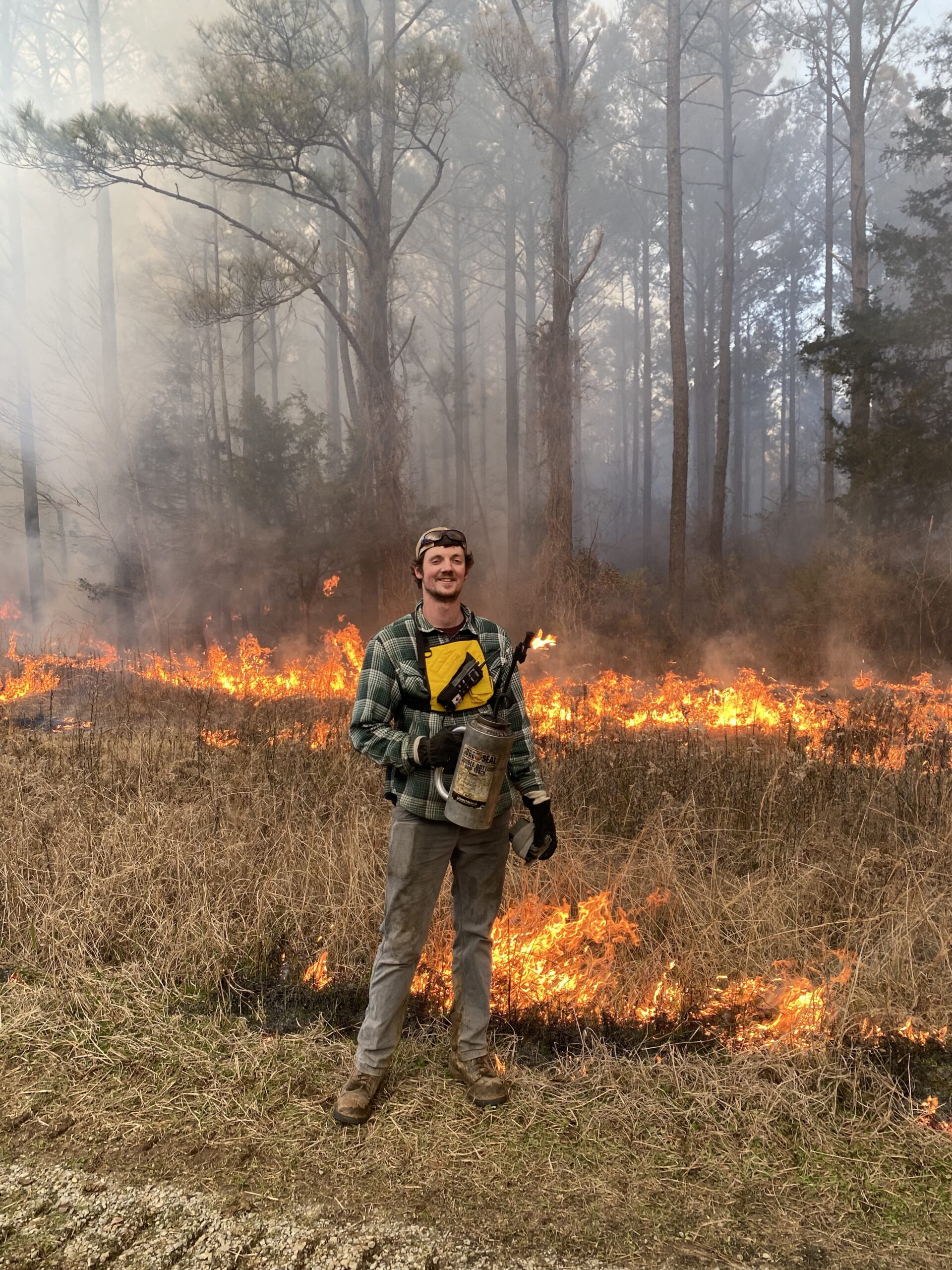
Abstract: Prescribed fire is a valuable tool for deer habitat management, but the benefits of fire are diminished when fire is restricted to a single season. Dormant-season fire tends to promote re-sprouting perennials, such as trees, shrubs, brambles, and perennial forbs. Growing-season fire tends to promote greater coverage of herbaceous species, and depending on timing within the growing season, may be used to reduce coverage of woody plants. The structure and composition of plant communities influences all aspects of deer life-history, and prescribed fire, when implemented carefully, can be used to fine-tune plant communities to meet deer habitat management objectives.
Bio: Luke grew up in southcentral Pennsylvania where he developed an admiration for the outdoors. He received his BS from Virginia Tech in Wildlife Conservation and his MS from Mississippi State University studying the impacts of fire on plant communities with a focus on deer habitat. Luke is currently working on his PhD in food plot and old-field management at Mississippi State.
Bio: Marcus is an Assistant Professor of Wildlife Ecology and Conservation at the University of Florida. He received a B.S. in Forestry with Wildlife Management emphasis from Mississippi State University; an M.S. in Wildlife and Fisheries from University of Tennessee; and a Ph.D. in Fisheries, Wildlife, and Conservation Biology from North Carolina State University. Marcus is interested in disturbance ecology and how plant community structure influences interactions between competitors and predator-prey dynamics.
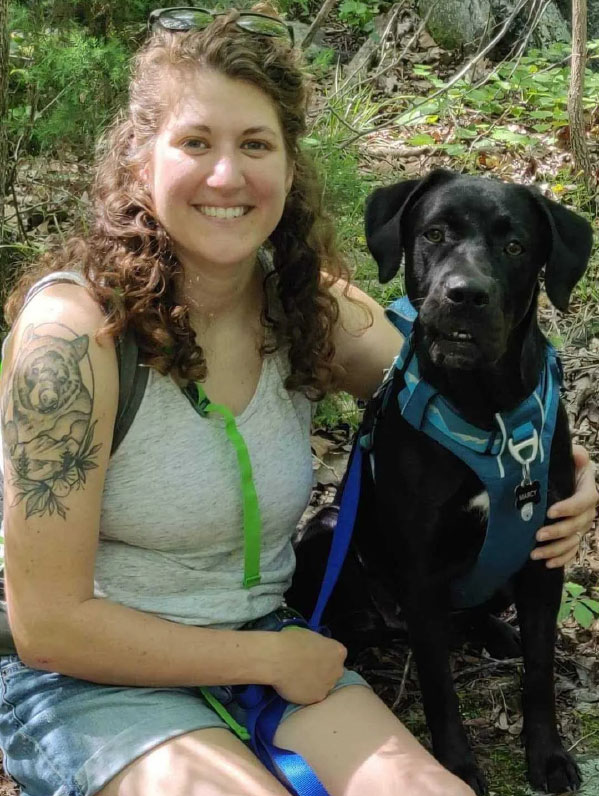
Alexis joined TRLT in March of 2024. She graduated from Appalachian State University with a Bachelor of Science in Biology, Ecology, and Environmental Biology. She comes to us with several years’ experience working with native wildlife as a zookeeper as well as nonprofit fundraising.
Alexis grew up in Stanly County exploring the woods and creek by her home. She has a lifelong passion for the conservation of wildlife and their natural habitats. She enjoys being involved in her community and connecting with local businesses who foster the same desire to conserve our rural landscapes. Alexis enjoys camping, hiking, kayaking, and growing her own food and flowers in her garden with her young daughter.
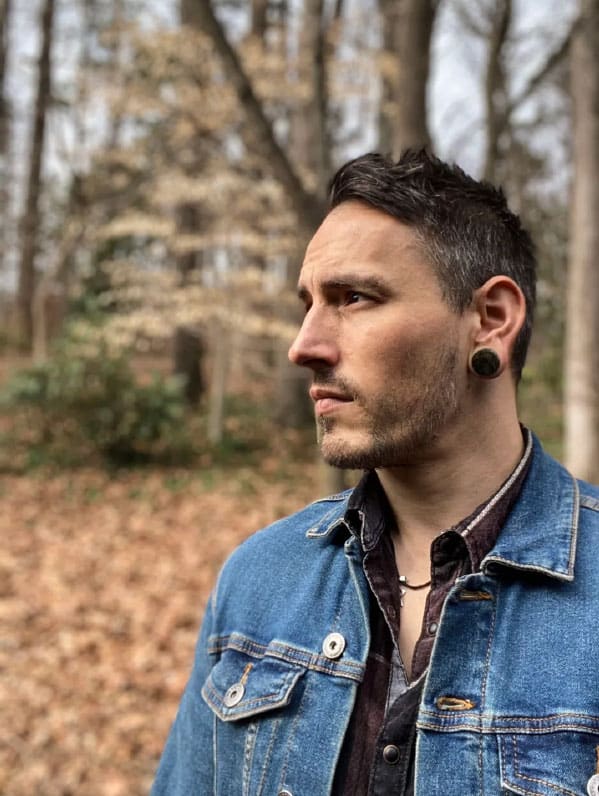
Pierce joined the TRLT team in February of 2024. Pierce is a multidisciplinary designer, writer, art director and filmmaker who loves collaboration and pushing ideas as far as they can go. Pierce has worked in both agency and in-house environments and has extensive experience in the food and textile industries. In his free time, Pierce loves film, physical fitness, and outdoor adventures.
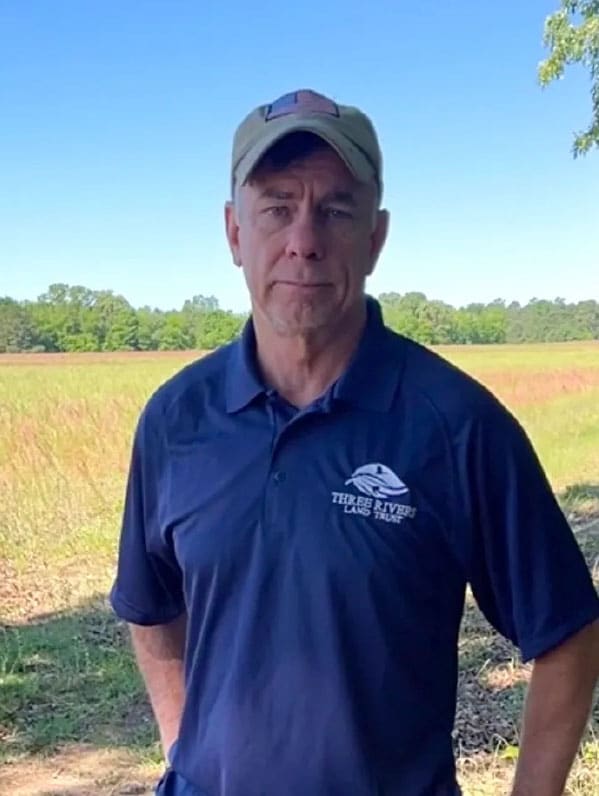
Barry began working as the Sandhills Conservation Coordinator for Three Rivers Land Trust in April 2023. He is an NC native who grew up in the woods and farmlands surrounding his home in rural Iredell County. He learned much about the outdoors through trial and error and Scouting.
After graduating from WCU, Barry served 11 years in the Active Army. After leaving, he worked for the Army in various capacities and remained in the National Guard until retirement. He has worked on land preservation in the area for 12 years. His wife Christine grew up on a small farm in western NC and still works for the US Army. They have three grown children, two boys both on active duty and a daughter pursuing her bachelor’s at UNCW.